[FIN]CROSS-BORDERVOL: $4.2T
[SEC]CYBER ALERT: TIER2
[POL]IS0 GROWTH:+14%
[GEO] CLOUDINDEX: +2.4%

Structural Logic
Category Filters
How FinTech Infrastructure affects payment speed and failures
Lead Author
Published
Views:
FinTech Infrastructure is a decisive factor in how fast payments move and why transactions fail across digital ecosystems. For researchers and operators comparing AI-driven ERP, Smart Retail Technology, and wider Commercial Intelligence signals, understanding the links between routing, compliance, terminal performance, and system design is essential. This article explores how infrastructure choices shape payment speed, failure rates, and operational resilience in modern service environments.
In B2B payment environments, speed is rarely determined by a single processor or bank connection. It is the result of an entire stack: API design, gateway routing logic, terminal firmware, fraud controls, cloud latency, network redundancy, reconciliation workflows, and regulatory checks. When one layer becomes inefficient, payment authorization times can move from under 2 seconds to 8 seconds or more, and failure rates can rise in ways that are expensive but hard to diagnose.
For information researchers and front-line operators, this matters beyond technical curiosity. A payment delay can reduce checkout throughput, increase abandoned purchases, create support tickets, and complicate treasury reporting. In cross-border and multi-terminal environments, even a 1% to 3% increase in failed transactions can materially affect revenue recognition, customer trust, and operational workload.
Within the broader G-MST perspective, payment infrastructure should be evaluated as part of a connected service ecosystem. Smart terminals, cloud services, compliance frameworks, and enterprise platforms do not work in isolation. Their integration quality directly affects payment speed, resilience, and the ability of organizations to scale digital services without multiplying failure points.
What payment infrastructure really includes in modern service operations
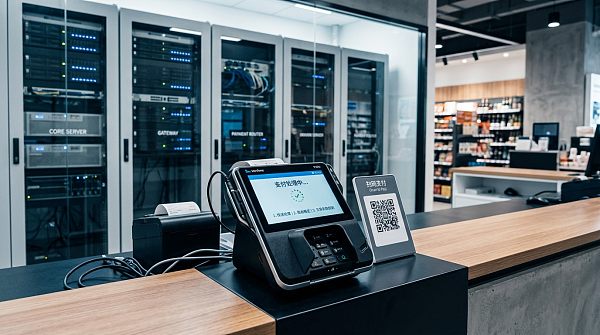
Many organizations still define FinTech infrastructure too narrowly, focusing only on the payment gateway or acquiring bank. In practice, the infrastructure layer includes at least 6 operational components: merchant onboarding systems, payment orchestration, risk screening, tokenization services, terminal or app interfaces, and settlement or reconciliation engines. Each one can either accelerate a transaction or add friction.
In a smart retail or institutional service environment, transaction speed depends on how these layers exchange data. A POS terminal may send card, QR, or wallet details in less than 300 milliseconds, but if the gateway lacks local routing intelligence or the fraud engine requires multiple sequential checks, the total authorization path expands quickly. That is why payment speed should be measured end to end, not just at the processor stage.
Operators should also distinguish between visible speed and actual payment completion. A customer may receive a response in 2 seconds, but if asynchronous settlement, ERP posting, or exception handling fails later, the organization still faces a payment incident. For this reason, infrastructure quality is not only about fast approval. It is about stable transaction lifecycle management across authorization, clearing, settlement, and reporting.
This broader view is especially important in environments using AI-driven ERP or multiple smart terminals. When payment data must sync with inventory, invoicing, and compliance logs, the infrastructure must support low-latency processing and reliable handoffs across systems. A fragmented architecture often creates hidden delays of 5 to 15 minutes in downstream reconciliation, even if customer-facing payment approval appears immediate.
Core layers that influence speed and failure rates
- Transaction initiation layer: POS devices, mobile apps, kiosks, and web checkouts determine data quality at the first touchpoint.
- Routing and orchestration layer: smart routing can reduce authorization time by selecting the most responsive acquirer or local rail.
- Security and compliance layer: tokenization, PCI-DSS controls, SCA checks, and AML screening may add milliseconds or force step-up flows.
- Settlement and reconciliation layer: delayed posting, duplicate records, and unmatched settlements often convert technical issues into finance issues.
The table below summarizes how different infrastructure components affect transaction performance in practical B2B settings.
The key takeaway is that payment failures are often systemic rather than isolated. Organizations that inspect only the acquirer response miss upstream device issues and downstream reconciliation gaps. A useful assessment should cover at least 4 layers, track median response times, and monitor exception codes over a rolling 30-day period.
Why payment speed changes across channels, regions, and terminal types
Payment speed is not static because transaction paths vary by channel. A card-present purchase at a smart terminal, a QR payment in a kiosk, and an online wallet transaction may all use different message formats, fraud rules, and acquiring routes. Even when they settle into the same ERP system, their infrastructure journeys are different enough to produce measurable gaps in approval time and failure behavior.
Regional factors also matter. Domestic routing on local rails is usually faster than cross-border authorization because the path has fewer intermediaries and lower foreign exchange complexity. In many operating environments, a domestic digital payment may complete authorization in 1 to 3 seconds, while a cross-border card transaction can take 4 to 10 seconds depending on issuer responsiveness, network hops, and regulatory checks.
Terminal type is another overlooked variable. Entry-level POS units, self-service kiosks, and enterprise-grade Android smart terminals differ in CPU power, memory, scanner quality, and connection stability. If a kiosk has weak image capture or unstable Wi-Fi handoff, QR and wallet transactions may fail even though the gateway itself is healthy. Operators often label these as processor errors when the root cause starts at the device edge.
For mixed-service institutions, the practical lesson is clear: benchmarking one payment channel does not validate the whole estate. A proper review should include at least 3 transaction categories, 2 connection conditions, and multiple terminal states such as normal load, peak load, and post-update operation. Without that, reported speed averages can be misleading.
Common causes of speed variance
Network and routing complexity
The more intermediaries in the chain, the greater the chance of latency spikes. A payment path that crosses a terminal SDK, store network, cloud gateway, fraud engine, acquirer, and issuer has at least 6 decision points. If each point adds only 150 to 300 milliseconds, the final delay can exceed 2 seconds before any manual intervention or customer authentication begins.
Compliance-triggered friction
Strong Customer Authentication, sanctions screening, and transaction monitoring are necessary controls, but they must be tuned to context. A one-size-fits-all rule set often slows low-risk payments and increases soft declines. In high-volume environments, reducing unnecessary step-up checks by even 0.5% can improve queue throughput and reduce operator workload during peak periods.
The comparison below shows how common channels differ in infrastructure demands and likely speed outcomes.
This comparison helps procurement and operations teams avoid a common error: selecting infrastructure based on average headline speed instead of channel-specific performance. The better approach is to define acceptable latency thresholds by use case, such as under 3 seconds for staffed checkout and under 5 seconds for unattended kiosks.
How infrastructure design contributes to payment failures
Payment failures usually appear in dashboards as simple decline codes, but their real causes are more layered. Some failures are issuer-driven, yet many stem from preventable infrastructure weaknesses such as unstable APIs, low-quality retries, poor timeout management, incomplete token mapping, or device-level communication loss. In multi-country deployments, these issues multiply because the same transaction can pass through 2 to 5 different processing standards.
A major design problem is excessive dependency on single points of failure. If one gateway, one cloud region, or one acquiring path handles the full load, a short outage can disrupt thousands of transactions in minutes. Even a 10-minute disruption during peak service windows can create settlement mismatches, duplicate customer attempts, and manual refund cases that continue for 24 to 72 hours.
Another common issue is poor synchronization between payment approval and enterprise back-office systems. A transaction may be approved, but if the ERP connector times out or the order management system does not confirm state changes, operators face “successful payment, missing order” incidents. These are not rare edge cases; they are classic symptoms of weak event handling and incomplete observability.
For operators, failure management should therefore move beyond counting declines. The more useful method is failure classification. Teams should separate issuer declines, technical timeouts, customer-abandoned flows, terminal communication errors, duplicate submissions, and reconciliation exceptions. With 6 categories instead of one generic failure bucket, root-cause analysis becomes faster and vendor accountability becomes clearer.
Typical failure patterns in modern payment stacks
- Timeout loops: retry logic triggers duplicate attempts when the first response is delayed beyond 3 to 5 seconds.
- Token inconsistency: wallet or card tokens are accepted at authorization but fail at settlement or recurring billing stages.
- Terminal drift: software updates reach only part of the device fleet, creating uneven behavior across stores or campuses.
- Compliance mismatch: regional rules differ, but the same risk settings are applied across all markets.
- Data handoff gaps: approved transactions do not map cleanly into ERP, invoicing, or treasury systems.
Monitoring indicators that matter
Operations teams should monitor more than aggregate success rate. At minimum, dashboards should track p50 and p95 authorization time, timeout ratio, soft decline ratio, terminal offline incidents, and reconciliation exception volume. A system with a 97% approval rate may still be operationally weak if p95 latency exceeds 7 seconds or if daily exception queues require manual review.
The goal is not zero failure, which is unrealistic in any live payment environment. The goal is controlled failure behavior: fast failover, clear exception handling, and minimal spillover into customer support and finance operations. That is the standard researchers and procurement teams should use when comparing providers.
Selection criteria for researchers, buyers, and operators
When evaluating FinTech infrastructure, decision-makers should avoid vendor discussions centered only on feature breadth. A stronger evaluation framework balances speed, resilience, compliance, terminal compatibility, and integration readiness. For many organizations, 5 criteria are enough to make an informed shortlist: routing intelligence, uptime architecture, standards alignment, observability, and deployment support.
Routing intelligence determines whether the system can select the best available path by country, card type, wallet, or risk scenario. Uptime architecture covers active-active or active-standby redundancy, cloud region resilience, and fallback behavior. Standards alignment includes PCI-DSS handling, GDPR-aware data flows where relevant, and API security controls. Observability means transaction tracing, error tagging, and root-cause visibility. Deployment support addresses terminal rollout, firmware governance, and post-launch maintenance.
Procurement teams should also ask practical questions about implementation timelines. A limited deployment for one channel may take 4 to 8 weeks, but a multi-terminal, multi-market rollout can take 3 to 6 months once certification, ERP integration, and staff training are included. Underestimating this timeline often creates rushed go-lives and elevated failure rates in the first 30 days.
For operators, support design is as important as system design. If the provider cannot offer clear incident severity levels, firmware update policies, terminal fleet visibility, and exception-handling workflows, payment speed improvements may not hold under real conditions. Strong infrastructure should remain stable during peak periods, update cycles, and regional connectivity fluctuations.
Practical procurement checklist
The table below can be used as a compact decision tool during vendor comparison or internal technical review.
A reliable selection process should include technical workshops, a pilot phase, and at least 2 rounds of performance validation. The strongest candidates are not always the ones with the most payment methods. They are the ones that can maintain predictable payment speed and manageable failure behavior across real service conditions.
Recommended validation steps before rollout
- Run a pilot with at least 500 to 1,000 transactions per primary channel to test latency and exception handling.
- Compare peak-hour versus off-peak approval time to reveal hidden capacity limits.
- Test terminal updates on a small fleet first, usually 5% to 10% of devices, before broad deployment.
- Verify ERP and settlement mapping using failed, partial, and reversed transactions, not only successful ones.
Implementation priorities and frequently asked questions
Once a payment infrastructure strategy is selected, the implementation phase determines whether projected gains become measurable outcomes. Successful teams usually work through 4 stages: architecture review, controlled pilot, phased rollout, and post-launch optimization. Each stage should have clear thresholds for response time, failure classification, and operational ownership across IT, finance, and service teams.
A common rollout mistake is focusing only on launch readiness instead of operating readiness. Payment systems should be tested for rollback procedures, terminal replacement workflows, and support escalation paths. In many environments, the first 14 to 30 days after launch reveal more about infrastructure quality than the pre-launch certification phase.
For institutions that manage smart terminals and digital services together, the strongest results come from treating payments as part of a broader service intelligence framework. That means connecting transaction data to ERP events, support logs, device health signals, and compliance checkpoints. When these data streams are unified, payment failures become easier to predict and faster to resolve.
Below are concise answers to the questions most researchers and operators raise during evaluation and rollout.
How fast should a well-designed payment flow be?
For many card-present or local digital payment scenarios, 1 to 3 seconds is a practical authorization target. Unattended kiosk or multi-check flows may tolerate 3 to 5 seconds. Cross-border transactions are often slower, but sustained latency above 7 seconds should trigger a routing and dependency review.
What failure rate is acceptable in real operations?
There is no universal threshold, because payment mix and geography differ. However, teams should track technical failure rate separately from issuer declines. Even a technical failure range above 1% to 2% can justify deeper analysis if it causes retries, support cases, or settlement exceptions.
Which metrics should operators check every day?
Daily checks should include authorization success by channel, p95 response time, timeout ratio, terminal offline count, duplicate transaction count, and unresolved reconciliation cases. These 6 indicators usually provide a better picture than one overall approval number.
How long does a structured deployment usually take?
A basic single-channel rollout may take 4 to 8 weeks. A more complete deployment involving multiple smart terminals, ERP integration, and regional compliance review often needs 12 to 24 weeks. Timelines shorten only when device fleets, APIs, and support ownership are already standardized.
FinTech infrastructure affects payment speed and failures because it governs the full transaction path, from terminal capture and routing logic to compliance, settlement, and operational support. For researchers, it provides a clear lens for comparing service architectures. For operators, it defines how resilient daily payment performance will be under real workload conditions.
Organizations that evaluate infrastructure at the system level, rather than at the gateway level alone, are better positioned to reduce delays, limit preventable failures, and improve service continuity across smart terminals, retail channels, and enterprise platforms. If you are assessing payment infrastructure, terminal compatibility, or broader digital service readiness, now is the right time to review your transaction path in detail and identify where speed and reliability can be improved.
To explore a more tailored framework for payment performance, terminal integration, and operational intelligence, contact us to discuss your environment, compare deployment options, and get a solution-oriented assessment aligned with your business priorities.
Tags
Recommended for You
 How to evaluate medical kiosk touch responsiveness with glovesEvaluate medical kiosk touch responsiveness with gloves. Learn how to test accuracy, latency, and false touches to compare suppliers and choose a reliable kiosk.Oct 26, 2026Dr. Hideo Tanaka
 DigitalXForce Continues Global X-ROC Rollout for AI-Driven Risk OperationsDigitalXForce’s X-ROC global rollout targets AI-driven risk operations. Explore its approach to continuous control assurance, cyber risk quantification and smarter GRC.Oct 26, 2026Lina Cloud
 How to verify an industrial touch panel supplier is a manufacturerIndustrial Supplier Discovery touch panels guide: Verify factory operations, audit production, and check quality records to find a reliable manufacturer and reduce sourcing risks.Oct 25, 2026Lina Cloud
 OCC Issues Final GENIUS Act Rule Setting Payment Stablecoin FrameworkExplore the OCC’s final GENIUS Act rule for payment stablecoins, including issuer yield restrictions, key compliance questions and what businesses should review before January 2027.Oct 25, 2026Dr. Marcus Fin
 How to choose comparable companies for peer analysis in Latin AmericaPeer Analysis Latin America: Learn how to select comparable companies, assess country risk, and normalize financials to build a defensible peer group and make smarter valuation decisions.Oct 24, 2026Lina Cloud
 Queue Unveils Robotic Pharmacy Kiosk With Capacity for 340 MedicationsQueue’s robotic pharmacy kiosk holds up to 340 medications and offers a 30-second workflow with pill verification. Explore its potential benefits and key procurement considerations.Oct 24, 2026Dr. Hideo Tanaka
 How freight costs affect the delivered bulk ammonium sulfate priceCompare the bulk ammonium sulfate price beyond the plant gate. Discover how freight, handling, and delivery terms affect your total cost—and make smarter buying decisions.Oct 23, 2026Lina Cloud
 Millions of Attempts to Exploit Critical PHP Flaws Force Some Websites OfflineCritical PHP flaws reportedly triggered millions of exploit attempts and website outages. Explore patching priorities, supplier checks and continuity steps to protect online services.Oct 23, 2026Lina Cloud
 How to assess UV test data for tempered glass in outdoor displaysAssess outdoor display UV resistance data for tempered glass with confidence. Learn to compare test conditions, spot weak claims, and choose cover assemblies built for outdoor use.Oct 22, 2026Digital Signage
 Oracle Launches Fusion Claw-Based HR Agent ApplicationOracle’s Fusion Claw-based HR agent application targets complex workflow automation. Explore its potential for HR teams, customization options and key adoption considerations.Oct 22, 2026Lina Cloud
 How to size a dry-type floating fish feed extruder for daily outputSize a dry type floating fish feed extruder for your daily output. Learn to calculate throughput, account for moisture losses, and verify supplier capacity before you invest.Oct 21, 2026Lina Cloud
 SAP Named a Leader in 2026 Gartner Magic Quadrant for Cloud ERP FinanceSAP is named a Leader in the 2026 Gartner Magic Quadrant for Cloud ERP Finance. Explore what this recognition means for vendor evaluation and smarter cloud ERP procurement.Oct 21, 2026Lina Cloud
 How to review SDSs before buying high-temperature antioxidants in bulkPlanning high temperature antioxidants bulk purchases? Learn how to review SDSs, assess handling and thermal hazards, and uncover hidden costs before approving your next order.Oct 20, 2026Marcus Trust
 Illinois Digital Asset Kiosk Operators Refund Over $750,000 Under DAKAIllinois digital asset kiosk operators refund over $750,000 under DAKA. Explore scam refund protections, fee caps, and transaction limits—and learn what they mean for consumers.Oct 20, 2026Dr. Hideo Tanaka
 What capacity roller mill do you need for wheat flour production?Choose the right roller mill for wheat flour by matching capacity to output, extraction rate, and operating hours. Learn how to compare suppliers and avoid costly bottlenecks.Oct 19, 2026Lina Cloud
 How does the required frequency range affect EMC testing costs?EMC test frequency range cost depends on equipment, test methods, and product complexity. Learn how to compare lab quotes, avoid hidden charges, and budget smarter.Oct 18, 2026Marcus Trust
 How digital classrooms shape the education infrastructure marketEducation Infrastructure market analysis reveals how digital classrooms reshape spending on connectivity, software, and support. Explore growth opportunities and smarter investment decisions.Oct 17, 2026Lina Cloud
 How to verify the safe load capacity of HDPE aquaculture modulesVerify the safe load capacity of HDPE aquaculture modules with practical guidance on buoyancy, stability, connections, and long-term performance. Learn what to check before approving loads.Oct 16, 2026Marcus Trust
 How to choose a target country for market penetration in EuropePlan Market Penetration in Europe with confidence. Learn how to compare demand, regulations, competition, and delivery costs to choose the right country for sustainable growth.Oct 15, 2026Lina Cloud
 ISO/IEC 27001:2026 Officially Published for Information Security ManagementISO/IEC 27001:2026: Explore the reported update for cloud CRM, payment gateways and AI-ERP. Discover what to verify before planning certification and procurement changes.Oct 15, 2026Marcus Trust
 How to verify food-grade compliance for wholesale locust bean gumEvaluating locust bean gum wholesale suppliers? Learn how to verify food-grade compliance, check batch reports, and confirm traceability to reduce sourcing risks and buy with confidence.Oct 14, 2026Marcus Trust
 Multi-Jurisdictional Compliance Software: Handling Conflicting RequirementsMulti-jurisdictional compliance software helps teams manage conflicting rules, track decisions, and align controls. Discover practical ways to reduce cross-border launch risks.Oct 23, 2026Marcus Trust
 From Regulatory Updates to Alerts: Multi-Jurisdiction Compliance MonitoringExplore multi-jurisdiction compliance monitoring solutions to turn regulatory updates into actionable alerts, assign clear ownership, and track deadlines and evidence across markets.Oct 22, 2026Marcus Trust
 Data Integrity Compliance Software: Audit Trails, Validation, and Access ControlsEvaluate data integrity compliance software with expert guidance on audit trails, validation, and access controls. Learn what to test before choosing a solution that protects critical records.Oct 21, 2026Marcus Trust
 Data Compliance Tools Explained: Discovery, Classification, and Policy ChecksExplore data compliance tools for discovery, classification, and policy checks. Learn how to assess coverage, validate findings, and choose tools that turn insights into action.Oct 20, 2026Marcus Trust
 What Drives Data Compliance Software Costs Beyond the License Fee?Explore data compliance software costs beyond the license fee, from integrations and training to usage charges. Uncover hidden expenses and compare vendors with confidence.Oct 19, 2026Marcus Trust
 Privacy Software for Compliance Officers: Streamlining Assessments and ApprovalsExplore privacy software for compliance officers to streamline assessments, connect evidence, and track approval conditions. Learn how to reduce review delays and keep decisions audit-ready.Oct 18, 2026Marcus Trust
 Evaluating Privacy Risk Management Software: Scoring and Remediation WorkflowsEvaluate privacy risk management software with practical tests for transparent scoring, accountable remediation, and verified risk reduction. Discover how to choose a platform you can trust.Oct 17, 2026Marcus Trust
 DSAR Compliance Software: Resolving Identity Checks and Missed DeadlinesDSAR compliance software helps streamline identity checks, track legal deadlines, and unblock stalled requests. Discover practical ways to reduce delays and build auditable workflows.Oct 16, 2026Marcus Trust
 Best Enterprise Tools for Cross-Border Video Privacy: What to CompareCompare the best enterprise tools for cross-border video privacy compliance. Explore data residency, access controls, redaction, and retention to choose the right solution.Oct 15, 2026Marcus Trust
 Which Privacy Platforms Support GDPR, CCPA, and Cross-Jurisdiction Workflows?Which privacy platforms support cross-jurisdiction compliance? Compare GDPR and CCPA workflows, data discovery, and audit evidence to shortlist the right solution.Oct 14, 2026Marcus Trust
 Which certifications matter when buying education hardware globally?Which certifications matter when buying education hardware internationally? Explore CE, FCC, safety and sustainability requirements to verify compliance and buy with confidence.Oct 23, 2026Marcus Trust
 What evidence shows an EdTech supplier can provide long-term support?What evidence proves an EdTech supplier can deliver long-term support? Explore service records, SLAs, financial resilience, security updates, and exit plans to choose with confidence.Oct 22, 2026Lina Cloud
 How can procurement analytics reduce school project risk?How can procurement analytics reduce school project risk? Discover how to uncover hidden costs, assess suppliers, protect student data, and keep classroom projects on track.Oct 21, 2026Lina Cloud
 Can a school payment system handle cross-border payments?Can a school payment system handle cross-border payments? Explore currency support, fees, settlement, and compliance checks to choose a solution that simplifies international tuition collection.Oct 20, 2026Dr. Marcus Fin
 What should schools check before choosing a payment gateway?What should schools check before choosing a payment gateway? Discover key security, integration, fee, and settlement checks to simplify collections and choose with confidence.Oct 19, 2026Dr. Marcus Fin
 Does PCI DSS apply when schools accept online payments?Is PCI-DSS relevant when schools accept online payments? Learn how to reduce compliance scope, choose the right SAQ, and verify payment providers to protect your school.Oct 18, 2026Dr. Marcus Fin
 How do you create a regional compliance map for EdTech?How do we create a regional compliance map for EdTech? Explore practical steps to map privacy rules, data flows, accessibility, and launch controls for confident regional expansion.Oct 17, 2026Marcus Trust
 What data privacy risks are common in interactive classrooms?Which data privacy risks are common in interactive classrooms? Explore tracking, weak access controls, and AI data reuse—and learn practical ways to protect students.Oct 16, 2026Lina Cloud
 How often should smart terminals receive security updates?How often should smart terminals receive security updates? Discover practical patch schedules, urgent threat priorities, and safe rollout strategies to protect devices and reduce downtime.Oct 15, 2026Lina Cloud