[FIN]CROSS-BORDERVOL: $4.2T
[SEC]CYBER ALERT: TIER2
[POL]IS0 GROWTH:+14%
[GEO] CLOUDINDEX: +2.4%
Structural Logic
Category Filters
Smart POS Features That Actually Improve Checkout
Lead Author
Published
Views:
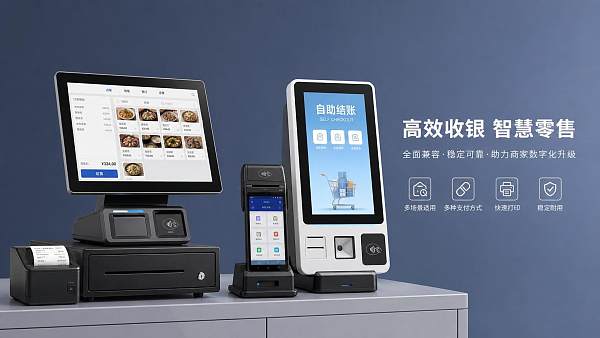
Smart POS features do far more than shorten lines. The right system can reduce checkout errors, improve staff workflow, strengthen PCI-DSS Compliance, support GDPR Compliance, and make it easier to connect with Payment Gateway and Cloud Solutions environments. For information researchers comparing vendors and frontline operators using terminals every day, the most useful question is not “Does this POS have more features?” but “Which features actually improve speed, reliability, security, and customer experience in real checkout conditions?”
In practice, the best Smart POS features are the ones that remove friction without adding operational complexity. They help cashiers complete transactions faster, support cross-border payments, reduce payment failures, and give managers better visibility into performance. They also matter for broader Digital Transformation goals, especially when businesses want systems that can scale across locations, channels, and regulatory environments.
Which smart POS features have the biggest real-world impact at checkout?
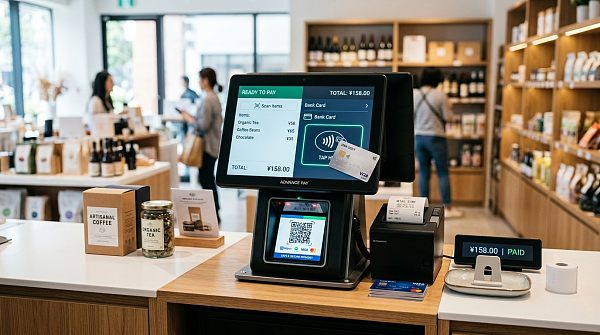
The features that matter most are usually not the flashiest ones. They are the ones that improve transaction flow consistently during busy hours, reduce avoidable mistakes, and keep the payment process stable.
High-impact Smart POS capabilities typically include:
- Fast and flexible payment acceptance: support for EMV chip, contactless payments, QR payments, mobile wallets, and traditional card methods.
- Reliable Payment Gateway integration: fewer dropped transactions, faster authorization, and better support for local and cross-border payments.
- Intuitive cashier interface: shorter training time, fewer input errors, and smoother operation during peak traffic.
- Offline transaction continuity: the ability to continue limited operations during network interruptions.
- Cloud-based synchronization: real-time updates for pricing, inventory, promotions, and reporting.
- Receipt flexibility: printed, email, and SMS receipts to match customer preference and reduce paper use.
- Built-in security controls: encrypted payment handling, access controls, and audit trails that support PCI-DSS Compliance.
- Multi-language and multi-currency support: especially valuable for hospitality, travel, international retail, and cross-border business models.
For most operators, checkout improves when the terminal reduces the number of steps per transaction. For researchers and buyers, the key is to verify whether these features work reliably under real transaction volume, not just in vendor demos.
What do operators and information researchers care about most?
Although both groups may evaluate the same Smart POS system, they often judge it differently.
Frontline operators usually care about:
- How quickly they can complete a sale
- Whether the screen layout is clear under pressure
- How often transactions freeze or fail
- How easy refunds, voids, and split payments are
- Whether customer-facing prompts are simple and clear
Information researchers and decision support teams usually care about:
- Whether the terminal integrates with existing ERP, CRM, and Cloud Solutions
- Payment Gateway compatibility across markets
- PCI-DSS Compliance and GDPR Compliance readiness
- Total cost of ownership, including maintenance and software updates
- Vendor scalability, support capability, and deployment flexibility
This difference matters. A Smart POS can look strong on a technical checklist but still create checkout friction if the workflow is too complex. Likewise, a terminal that operators like may still create long-term risk if it lacks strong compliance controls or integration maturity.
How do payment and interface features actually improve checkout speed?
Checkout speed is not just about processor power. It depends on how well the terminal combines hardware responsiveness, software workflow, and payment orchestration.
Features that directly improve speed include:
- Tap-to-pay readiness: contactless transactions reduce card handling time and often shorten customer decision time.
- Smart item search and shortcut keys: useful in retail, food service, and service counters where speed depends on reducing screen navigation.
- Automatic tax, discount, and promotion logic: prevents manual recalculation and reduces staff hesitation.
- Integrated barcode or QR scanning: reduces manual entry and pricing errors.
- Split tender and multi-method payment handling: important when customers combine gift cards, wallets, cards, or cash.
- Customer-facing confirmation prompts: helps prevent disputes and speeds approval.
In busy environments, even small workflow improvements matter. If each transaction saves only a few seconds, the gain becomes significant across hundreds or thousands of daily checkouts. That translates into shorter lines, better labor efficiency, and less stress for staff.
Why do security and compliance features matter to checkout performance?
Security features are often seen as back-office requirements, but they affect daily operations more than many teams realize. A poorly secured or non-compliant system creates friction through extra manual checks, transaction disputes, failed audits, and support interruptions.
Smart POS systems should support:
- Point-to-point encryption and tokenization to protect cardholder data
- User roles and permission controls to limit unauthorized actions
- Secure login and session management for shared terminals
- Audit logs to track refunds, overrides, and suspicious activity
- Consent and data-handling controls that help align with GDPR Compliance obligations
From a business perspective, strong security supports operational continuity. It lowers the chance that payment incidents, regulatory issues, or fraud events will disrupt service. For businesses operating internationally or supporting cross-border payments, this becomes even more important because payment data, identity rules, and privacy requirements can vary across markets.
How do cloud connectivity and integration affect real checkout quality?
A checkout terminal should not operate like an isolated device. In modern environments, Smart POS performs best when it connects smoothly with Cloud Solutions, inventory systems, loyalty programs, reporting tools, and payment infrastructure.
Strong integration improves checkout by enabling:
- Real-time stock visibility, so staff can avoid selling unavailable items
- Centralized pricing updates, reducing mismatch errors across locations
- Faster reconciliation between sales, settlements, and financial systems
- Unified loyalty and customer recognition across channels
- Remote software updates without disrupting daily store operations
For organizations pursuing Digital Transformation, these integration capabilities are often where long-term value appears. A Smart POS is no longer just a device for taking payments. It becomes a data and service endpoint within a broader commerce architecture. That is especially relevant for enterprises expanding internationally, evaluating Market Penetration opportunities, or coordinating multiple site formats such as retail stores, kiosks, service counters, and pop-up locations.
What should buyers and evaluators look for before choosing a smart POS?
To make a useful decision, buyers should focus less on long feature lists and more on performance under actual operating conditions.
A practical evaluation checklist includes:
- Transaction speed under load: test peak-hour conditions, not just single transactions.
- Ease of use for new staff: evaluate training time and error frequency.
- Payment Gateway compatibility: confirm support for the markets, currencies, and payment methods you need.
- Compliance posture: review PCI-DSS Compliance support, data handling, and GDPR-related controls.
- Offline resilience: ask what happens during temporary connectivity loss.
- Integration readiness: verify APIs, middleware options, and Cloud Solutions compatibility.
- Maintenance and lifecycle support: understand software updates, hardware durability, and vendor response times.
- Reporting quality: ensure the system produces useful operational and exception data.
It is also worth testing the terminal with real operators. A system that appears efficient in procurement review may reveal usability problems in live workflows. Frontline testing often exposes issues with menu depth, screen responsiveness, receipt flow, and exception handling.
Which smart POS features are overrated or less useful than they seem?
Some features sound impressive in marketing materials but do not improve checkout unless they solve a specific operational problem.
These are often less valuable when basics are weak:
- Advanced visual effects that slow screen interaction
- Too many optional workflow branches that confuse staff
- AI features without clear operational use cases
- Excessive customization that makes updates harder
- Hardware extras that are rarely used but increase maintenance burden
If payment reliability, speed, and security are inconsistent, premium features will not compensate. The strongest Smart POS deployments usually succeed because they get the essentials right: stable payments, simple workflows, secure data handling, and flexible integration.
Conclusion: the best smart POS features are the ones that remove friction
Smart POS features actually improve checkout when they make transactions faster, reduce errors, support secure payment handling, and fit naturally into broader business systems. For operators, that means easier screens, reliable payment acceptance, and fewer interruptions. For information researchers and evaluators, it means strong Payment Gateway compatibility, Cloud Solutions integration, support for PCI-DSS Compliance and GDPR Compliance, and a clear fit with Digital Transformation goals.
The most valuable systems are not the ones with the longest specification sheet. They are the ones that perform consistently in real-world checkout environments, support cross-border payments where needed, and help organizations scale operations with lower risk. When evaluating Smart POS, focus on measurable workflow improvement, operational resilience, and security maturity. That is where real checkout value is created.
Tags
Recommended for You
 How to Evaluate Chiral Intermediates for API SynthesisChiral intermediates for API synthesis: learn how to assess stereochemical integrity, scalability, impurity control, and supply risk to choose safer, cost-effective routes.Jul 27, 2026Lina Cloud
 FDA AI/ML Guidance Reshapes Device Export ComplianceFDA AI/ML Guidance reshapes device export compliance for AI Learning Hubs, kiosks, panels, and industrial PDAs. Learn the key FDA risks, 510(k) impacts, and document steps now.Jul 27, 2026Professor Sarah Ed
 How to Choose POS Terminals for Retail StoresPOS Terminals for retail: learn how to choose the right system for speed, security, software compatibility, and lower lifecycle costs across modern retail stores.Jul 26, 2026Dr. Marcus Fin
 EU Updates POS Hardware EMC Rules From Oct. 1, 2026EU Updates POS Hardware EMC Rules From Oct. 1, 2026: learn how new EMC requirements, CE traceability, and EN IEC 61000-6-2:2026+A1:2026 affect EU market access.Jul 26, 2026Dr. Marcus Fin
 How to Evaluate a Digital Microscope for Schools Factory SupplyDigital microscope for schools factory sourcing guide: learn how to compare image quality, software compatibility, compliance, and supplier stability to make smarter school purchases.Jul 25, 2026Professor Sarah Ed
 EU Mandates PCI DSS v4.0.1 for POS HardwareEU mandates PCI DSS v4.0.1 for POS hardware sold or deployed in the bloc. Learn how the new rule affects EU market access, shipments, certification timelines, and acquirer approval.Jul 25, 2026Dr. Marcus Fin
 How to Choose an Industrial Milling Cutter for Material, Finish, and Tool LifeIndustrial milling cutter selection starts with material, finish, and tool life. Learn how geometry, coating, and machine stability affect cost, consistency, and production results.Jul 24, 2026Lina Cloud
 EU to Require PCI DSS v4.0.1 for All POS HardwareEU to Require PCI DSS v4.0.1 for All POS Hardware from August 1, 2026. Learn how the new EU rule impacts POS imports, compliance, customs clearance, and delivery planning.Jul 24, 2026Dr. Marcus Fin
 Melamine Powder Export Price: Cost Drivers and 2026 Market OutlookMelamine powder export price trends for 2026: explore key cost drivers, regional supply shifts, and smart sourcing strategies to control risk and secure better deals.Jul 23, 2026Lina Cloud
 EU Rule Adds IEC 62366-1:2024 for Industrial PDAsEU Rule Adds IEC 62366-1:2024 for Industrial PDAs, reshaping EU export compliance with a 30-day transition. Learn how usability validation impacts customs clearance, delivery timing, and market access.Jul 23, 2026Digital Signage
 Fine Chemicals Analytical Testing: Key Methods and Quality RisksFine Chemicals analytical testing explained: discover key methods, major quality risks, and practical controls to improve purity, compliance, and batch release confidence.Jul 22, 2026Marcus Trust
 EU Rule Puts EN 14971:2024 on POS HardwareEU Rule Puts EN 14971:2024 on POS Hardware: learn how the new EU compliance shift affects CE declarations, lifecycle risk analysis, and October 2026 market access.Jul 22, 2026Dr. Marcus Fin
 How to Evaluate Automatic Bagging Machine Feed StabilityLearn how to evaluate automatic bagging machine feed stability with key indicators, real-world test methods, and supplier checks to improve accuracy, uptime, and ROI.Jul 21, 2026Lina Cloud
 EU Mandates ISO/IEC 17065:2024 From Aug. 1, 2026EU mandates ISO/IEC 17065:2024 from Aug. 1, 2026. Learn how the new rule affects EU certification recognition, compliance timing, digital evidence, AI traceability, and exporter costs.Jul 21, 2026Marcus Trust
 How to Evaluate a Mechanical Material Testing Factory for Reliable ResultsMechanical material testing factory selection starts with standards, calibration, traceability, and reporting. Learn how to assess capability and choose a partner that delivers reliable results.Jul 20, 2026Marcus Trust
 EU Rule Takes Effect: PCI-DSS v4.0 Now Required for POS HardwarePCI-DSS v4.0 is now a must for POS hardware entering the EU by July 19, 2026. Learn how this rule affects certification, market access, listings, customs, and export timelines.Jul 20, 2026Dr. Marcus Fin
 How to Qualify GMP Chemicals Raw Materials for Safer ProductionGMP Chemicals raw materials qualification is key to safer production. Learn practical steps to reduce risk, strengthen supplier control, and improve GMP compliance.Jul 19, 2026Marcus Trust
 EN 301 549 v3.2.1 Becomes a New EU Export RequirementEN 301 549 v3.2.1 becomes a new EU export requirement from October 1, 2026, linking accessibility compliance to CE marking for smart terminals. See who is affected and what to prepare now.Jul 19, 2026Marcus Trust
 How to Evaluate Retail AI Kiosk Solutions for Store ROIRetail AI kiosk solutions: learn how to compare integration, AI performance, compliance, and support to improve store ROI, reduce friction, and choose a platform that truly scales.Jul 18, 2026Dr. Hideo Tanaka
 FDA Tightens Import Rules for AI-Enabled TerminalsFDA Tightens Import Rules for AI-Enabled Terminals: learn how new SBOM and AI traceability requirements could impact U.S. market access, supply chains, and compliance readiness.Jul 18, 2026Marcus Trust
 Grain Farm Wagon Buying Guide: Capacity, Tire Options, and Unloading EfficiencyGrain farm wagon buying guide covering capacity, tire options, and unloading efficiency. Compare key features, reduce harvest delays, and choose the right wagon with confidence.Jul 17, 2026Lina Cloud
 EU SDL Audit Rule Expands to Industrial PDAsEU SDL audit rule now expands to industrial PDAs under EN IEC 62443-4-2:2026. Learn how barcode, RFID, and mobile terminal compliance will impact imports, contracts, and delivery from Oct 2026.Jul 17, 2026Digital Signage
 How to Choose a Rice Color Sorter Machine for Stable Output QualityRice color sorter machine selection affects quality, reject loss, and uptime. Learn how to compare accuracy, capacity, integration, and supplier support for stable output.Jul 16, 2026Lina Cloud
 EU GDPR Update Adds AI CRM Audit Certification RuleEU GDPR update adds an AI CRM audit certification rule for cross-border Cloud CRM providers. Learn how the new compliance trigger may affect EU market access, contracts, and SaaS delivery.Jul 16, 2026Lina Cloud
 Mini Rice Harvester Diesel: Cost, Yield, and Field Use FactorsMini rice harvester diesel guide: compare cost, yield, fuel use, and field performance in wet, small, or irregular paddies to choose the right machine and reduce harvest losses.Jul 15, 2026Lina Cloud
 Commercial Stump Grinders Manufacturer Comparison: What Matters MostCommercial stump grinders manufacturer comparison guide: learn how to evaluate build quality, cutting performance, maintenance costs, safety, and after-sales support to choose the best-fit supplier.Jul 15, 2026Lina Cloud
 POS Terminal Key Injection: Risks, Standards, and Setup BasicsPOS terminal key injection explained: learn the main risks, PCI-related control expectations, and setup basics to secure terminals, support compliance, and deploy with confidence.Jul 15, 2026Dr. Hideo Tanaka
 Digital Wallet Platform Provider Checklist for Secure ScalingDigital wallet platform provider checklist for secure scaling: compare security, compliance, integrations, uptime, and reporting to choose a platform built for growth.Jul 15, 2026Dr. Marcus Fin
 How to Evaluate a POS Hardware Factory Before Bulk OrdersPOS hardware factory evaluation guide: learn how to verify quality control, certifications, customization, and delivery reliability before bulk orders to reduce risk and choose with confidence.Jul 15, 2026Dr. Marcus Fin
 Saudi SABER Adds UNICEF Age-Appropriateness Check for STEM KitsSaudi SABER adds a UNICEF age-appropriateness check for STEM Kits from Sept 1, 2026. See compliance impacts, EAAV scope, and what importers must prepare now.Jul 15, 2026Professor Sarah Ed
 Vietnam Tightens POS Hardware Import File RequirementsVietnam Tightens POS Hardware Import File Requirements: learn how Vietnam’s new POS hardware import rule affects customs clearance, PCI-DSS documents, Vietnamese manuals, and delivery timelines.Jul 15, 2026Dr. Marcus Fin
 ISO/IEC 27001:2026 Rule Hits Cloud CRM ProvidersISO/IEC 27001:2026 now puts Cloud CRM providers under urgent compliance pressure. Learn how key lifecycle management, GDPR, and HIPAA risks could affect cross-border SaaS delivery.Jul 15, 2026Lina Cloud
 FDA Sets Digital Watermark Rule for Health SignageFDA Sets Digital Watermark Rule for Health Signage: learn how the new FDA digital signage compliance requirement impacts importers, manufacturers, hospitals, and distributors before the 2026 deadline.Jul 15, 2026Digital Signage
 EU AI-ERP Audit Rule Shift Cuts EN 15432:2026 WindowEU AI-ERP Audit Rule Shift cuts the EN 15432:2026 compliance window to 90 days. Learn what exporters, importers, and procurement teams must do now to avoid delays and protect EU market access.Jul 15, 2026Lina Cloud
 Outdoor Digital Signage Factory Audit Checklist for Stable Long-Term SupplyOutdoor digital signage factory audit checklist covering manufacturing strength, outdoor engineering, quality systems, compliance, and service readiness for stable long-term supply.Jul 14, 2026Digital Signage
 Product Safety Test Failure Insulation: Root Causes and Corrective ActionsProduct safety test failure insulation: uncover root causes, separate design from process issues, and apply corrective actions that speed certification and prevent repeat failures.Jul 14, 2026Marcus Trust
 Bootfoot Neoprene Chest Waders: Key Fit and Warmth Checks Before UseBootfoot neoprene chest waders buying guide: learn the key fit, warmth, seam, and boot checks before use to stay comfortable, sealed, and confident in cold, wet conditions.Jul 14, 2026Lina Cloud
 Industrial Buyers Supplier Database: How to Verify Vendor Quality FastIndustrial Buyers supplier database guide: verify vendor quality fast with certifications, compliance, delivery history, and risk checks to make smarter sourcing decisions.Jul 14, 2026Lina Cloud
 What RTP Cross Border Impact Means for Settlement Costs in 2026rtp cross border impact is reshaping settlement costs in 2026. Learn how FX, liquidity, compliance, and reconciliation affect total payment cost before you choose a provider.Jul 14, 2026Dr. Marcus Fin
 Payment Gateway Fees Rise as Compliance Costs IncreasePayment gateway fees rise as compliance costs increase from July 12, 2026. Learn how PCI SSC v4.2, EMV 3DS2, SCA, and cross-border routing may impact margins, contracts, and pricing.Jul 14, 2026Dr. Marcus Fin