[FIN]CROSS-BORDERVOL: $4.2T
[SEC]CYBER ALERT: TIER2
[POL]IS0 GROWTH:+14%
[GEO] CLOUDINDEX: +2.4%
Structural Logic
Category Filters
Feed & Grain Processing Equipment: Key Safety Checks Before Installation
Lead Author
Published
Views:
Before commissioning Feed & Grain processing equipment, quality control and safety managers must verify more than layout and capacity. From structural stability and electrical integrity to dust control, guarding, and compliance readiness, every pre-installation check directly affects operational safety and long-term reliability. This guide outlines the key inspection points that help reduce startup risks, prevent costly failures, and support safer, standards-aligned deployment.
What should quality and safety teams verify first in Feed & Grain processing equipment projects?
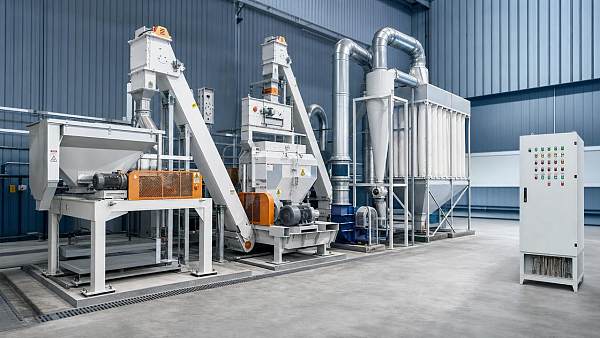
For quality control and safety managers, the most common mistake is treating Feed & Grain processing equipment installation as a purely mechanical task. In practice, startup risk begins much earlier, at document review, site readiness, hazard mapping, and supplier validation.
In mixed industrial environments, equipment may arrive on time but still fail pre-commissioning checks because the floor load is underestimated, utility interfaces are incomplete, or dust explosion controls are not integrated with the building. These failures delay handover and increase exposure to incidents.
G-MST supports this decision stage by connecting technical intelligence, inspection logic, and compliance-oriented procurement thinking. That matters when buyers need to compare installation risk, documentation quality, and certification readiness across vendors rather than focusing only on throughput.
- Confirm the equipment list matches the approved process flow, including elevators, conveyors, grinders, mixers, sifters, aspiration lines, control panels, and safety interlocks.
- Review layout drawings against actual site conditions, especially headroom, maintenance clearance, operator access, escape paths, and truck or pallet movement around the installation zone.
- Check whether the supplier has provided electrical schematics, foundation loads, anchoring details, recommended guarding, dust extraction points, and pre-start inspection procedures.
- Identify interfaces with third-party systems such as fire detection, plant SCADA, weighing, traceability, or testing and inspection workflows managed by internal or external TIC partners.
Why the first review must be cross-functional
Feed & Grain processing equipment affects product integrity, occupational safety, maintenance planning, and regulatory accountability at the same time. A narrow review by engineering alone often misses lockout points, sanitation access, and operator exposure zones.
A better approach is to involve safety, QC, maintenance, utilities, and procurement before installation starts. This reduces redesign, avoids rushed field modifications, and helps ensure that acceptance criteria are measurable rather than subjective.
Pre-installation checklist: which safety checks matter most?
The table below helps quality and safety teams prioritize the most important pre-installation checks for Feed & Grain processing equipment. It is especially useful when comparing multiple lines, expansion phases, or mixed-origin machinery.
These checks should be documented before rigging and final anchoring. Once Feed & Grain processing equipment is fixed in place, correcting aspiration ports, guard geometry, or maintenance access usually costs more and extends the shutdown window.
Critical checks that often fail on site
- Emergency stop devices are installed, but their reach distance does not match operator positions around conveyors or bagging stations.
- Access ladders and platforms meet functional needs, yet lack anti-slip finish, toe boards, or safe clearance around moving parts.
- Dust extraction is sized for process capacity, but not for peak loading, fine particles, or simultaneous operation of several transfer points.
- Panel documentation exists, but terminal numbering, cable tags, and lockout references are not consistent with the actual installation.
How to assess site readiness before Feed & Grain processing equipment arrives
A high percentage of installation delays come from the site, not the machine. Safety managers should therefore evaluate the building and utilities as part of the equipment acceptance plan, not as a separate construction issue.
Building and utility review points
- Verify floor strength, embedded services, drainage paths, and whether nearby foundations can transmit vibration to scales, metering systems, or inspection devices.
- Confirm power quality, available fault current, compressed air pressure, ventilation, and lighting levels at maintenance and inspection points.
- Check whether forklifts, hoists, cranes, and temporary lifting plans can safely handle the largest components without blocking emergency exits.
- Review whether temperature, humidity, and washdown conditions are compatible with motors, sensors, terminals, and control enclosures.
This is where G-MST’s cross-sector perspective becomes useful. Facilities today often combine industrial machinery with digital controls, smart terminals, cloud-connected maintenance logs, and third-party compliance workflows. Site readiness must therefore include both physical and data interface integrity.
Documentation needed before unloading
Before unloading Feed & Grain processing equipment, ask for packing lists, lifting points, center-of-gravity information, electrical drawings, pneumatic diagrams, spare parts lists, and preservation instructions. Missing documents create avoidable guesswork during a high-risk phase.
If the project includes digital monitoring, also confirm communication protocols, sensor mapping, alarm logic, user access levels, and record retention requirements. These details affect not only commissioning but also future audit traceability.
Which standards and compliance checks should not be skipped?
Compliance for Feed & Grain processing equipment is not limited to one certificate or one factory inspection. Safety managers need a practical matrix covering machinery safety, electrical design, dust hazards, sanitation expectations, and local legal obligations.
The following table maps common compliance areas to the pre-installation evidence that buyers should request. It is not a substitute for local legal review, but it helps organize supplier and site responsibilities early.
For international buyers, alignment with general frameworks such as ISO and IEC can improve consistency across locations, while local enforcement rules determine what is mandatory on site. G-MST’s TIC-oriented viewpoint helps teams compare what is certified, what is documented, and what still requires verification in the field.
Procurement and selection: how can buyers compare suppliers beyond price?
When Feed & Grain processing equipment is evaluated only by capacity and unit price, safety gaps often surface later as change orders. The better procurement model is to score installation readiness, maintainability, documentation quality, and compliance support together.
The table below provides a practical supplier comparison framework for quality control and safety managers involved in sourcing or approval.
This comparison method is especially valuable in complex procurement environments where engineering, operations, and compliance teams must approve the same package. It turns Feed & Grain processing equipment buying into a risk-managed decision rather than a narrow capital purchase.
When a lower price may cost more
A cheaper system can become more expensive if it requires custom guarding, field rewiring, extra dust ductwork, or repeated third-party inspections. These hidden costs often appear after delivery, when schedule pressure is highest and options are limited.
For safety managers, the key question is not only “What does the machine cost?” but “What must be corrected before it can run safely, legally, and consistently?”
Common mistakes and FAQ for Feed & Grain processing equipment installation
How early should safety review begin?
It should begin before purchase order release if possible. Early review allows the buyer to define acceptance criteria for guarding, electrical isolation, dust extraction, sanitation access, and documentation. Waiting until the equipment is delivered usually limits corrective leverage.
Which area is most often underestimated in Feed & Grain processing equipment projects?
Dust management is often underestimated because teams focus on process flow and motor power first. Yet poor aspiration design affects housekeeping, fire risk, product contamination, filter loading, and operator visibility. It should be reviewed as a core safety function, not an accessory.
Is factory acceptance testing enough for final approval?
No. Factory acceptance testing is useful, but it cannot validate final anchoring, utility stability, local guarding adjustments, dust collection performance, or the interaction between the machine and the building. Site acceptance remains essential.
What should be included in the handover file?
At minimum, the handover file should include approved drawings, wiring diagrams, spare parts lists, risk assessment records, inspection reports, operating instructions, maintenance schedules, training records, and unresolved punch items with owners and target dates.
Can digital tools improve pre-installation control?
Yes. Smart-terminal inspections, cloud-based checklists, photo-verified punch lists, and structured document control improve traceability and reduce version errors. This is increasingly relevant where industrial assets must align with broader enterprise digital governance.
Why work with us when evaluating Feed & Grain processing equipment?
G-MST brings a practical advantage for decision-makers who need more than product brochures. Our strength lies in connecting equipment evaluation with compliance logic, technical documentation quality, smart-terminal integration, and inspection-oriented procurement discipline.
If your team is preparing a new installation, retrofit, or supplier comparison for Feed & Grain processing equipment, you can consult us on specific points that affect project risk and approval speed.
- Parameter confirmation for process capacity, power interfaces, environmental conditions, and maintenance clearance.
- Supplier and product selection support focused on safety design maturity, documentation completeness, and inspection readiness.
- Delivery planning discussions covering lead time risk, installation sequence, third-party inspection timing, and punch list closure.
- Custom solution review for sites with strict sanitation, traceability, smart-terminal, or multi-standard compliance requirements.
- Certification and documentation gap review, including what to request from suppliers before shipment and what to verify on site before commissioning.
- Quotation communication support that helps compare total implementation risk, not just equipment price.
A safer installation starts with better questions. If you need a structured review of Feed & Grain processing equipment before installation, from specification checks to compliance documentation and acceptance planning, contact us with your project scope, drawings, or supplier shortlist.
Tags
Recommended for You
 Feed & Grain Market Signals: What Distributors Should Track This YearFeed & Grain distributors can stay ahead by tracking weather, freight, policy, basis, and demand signals. Learn the key market indicators that help protect margins and improve faster decisions.May 15, 2026Lina Cloud
 Agri & Forestry Operations: When Equipment Upgrades Deliver Real ROIAgri & Forestry equipment upgrades deliver real ROI when they reduce downtime, ease labor pressure, and improve cost control. Learn how to choose smarter, higher-performing investments.May 15, 2026Lina Cloud
 Aquaculture & Fishery Equipment Planning: Common Mistakes in Early ProjectsAquaculture & Fishery project planning guide: avoid early equipment mistakes in capacity, automation, compliance, and lifecycle cost to improve ROI, reliability, and long-term performance.May 15, 2026Lina Cloud
 Sodium Benzoate Manufacturer Review: What to Verify Before ApprovalSodium benzoate manufacturer review guide: verify certifications, documents, traceability, and supply stability before approval to reduce compliance risk and choose a dependable supplier.May 15, 2026Marcus Trust
 Wholesale Potassium Sorbate: Cost Factors That Change Large-Volume QuotesWholesale potassium sorbate quotes vary with grade, packaging, freight, compliance, and payment terms. Learn how to compare landed costs, reduce budget risk, and negotiate smarter bulk deals.May 15, 2026Dr. Marcus Fin
 Bulk Citric Acid Anhydrous: Quality Checks That Prevent Supply RisksBulk citric acid anhydrous quality checks can prevent contamination, audit failures, and costly delays. Learn how to verify specs, packaging, storage, and supplier reliability.May 15, 2026Marcus Trust
 Feed & Grain Processing Technology Trends Shaping Plant Upgrades in 2026Feed & Grain processing technology trends for 2026 reveal how plants can boost throughput, traceability, food safety, and uptime with smarter, lower-risk upgrades.May 15, 2026Lina Cloud
 Feed & Grain Processing Equipment: Selection Tips for Stable ThroughputFeed & Grain processing equipment selection tips for stable throughput, better hygiene, and lower downtime. Learn how to match capacity, automation, and material flow for reliable performance.May 15, 2026Lina Cloud
 How to Compare Agri & Forestry Machinery Manufacturers Beyond PriceAgri & Forestry machinery manufacturers should be compared on quality, service, compliance, and lifecycle cost—not price alone. Learn a smarter sourcing checklist now.May 15, 2026Lina Cloud
 Agri & Forestry Machinery Specifications: Key Metrics That Affect Field PerformanceAgri & Forestry machinery specifications explained: compare power, torque, hydraulics, weight, and traction to improve field performance, reduce risk, and choose the right machine with confidence.May 15, 2026Lina Cloud
 Vietnam Enforces VNPAY QR SDK Requirement for Digital SignageVNPAY QR SDK requirement for digital signage takes effect May 2026 in Vietnam — learn how QCVN 122 compliance impacts exporters, OEMs, and supply chains.May 15, 2026Digital Signage
 First Global AI Terminal ESG Compliance White Paper ReleasedFirst Global AI Terminal ESG Compliance White Paper launched—key for POS, digital signage & edtech manufacturers seeking ESG-aligned procurement access.May 15, 2026Marcus Trust
 SAMR Launches 1800-Standard Revision Plan: PCI-DSS 4.0 Compliance Mandatory for POS Hardware ExportsPCI-DSS 4.0 compliance is now mandatory for POS hardware exports under SAMR’s new GB/T 18755–2026 standard — act now to secure your export license before October 1, 2026.May 15, 2026Dr. Marcus Fin
 Japan Enforces JIS X 8350-2026 for Industrial PDAsJapan enforces JIS X 8350-2026 for industrial PDAs: mandatory Japanese dialect speech recognition & WCAG 2.2 AA touch compliance. Act now to avoid export delays!May 15, 2026Digital Signage
 FCC Tightens Wi-Fi 7 EMI Limits for AI Learning DevicesFCC tightens Wi-Fi 7 EMI limits for AI learning devices—3 dB stricter radiated emissions rules now impact certification, design & supply chains. Act now.May 15, 2026Professor Sarah Ed
 EU Commission Launches CBAM Digital Terminals Impact AssessmentCBAM Digital Terminals impact assessment is live—discover how POS systems, kiosks & digital signage face new EU carbon reporting rules and what your business must do now.May 15, 2026Dr. Marcus Fin
 Saudi SASO Launches ICT-2026 AI Review System for UI LocalizationSaudi SASO's ICT-2026 AI Review System mandates Arabic voice UI localization for ICT hardware—ensuring dialect-aware compliance, <300ms latency, and faster market access.May 15, 2026Dr. Marcus Fin
 Vietnam MOIT Enforces VNPAY QR SDK Mandate for Digital SignageVietnam MOIT mandates VNPAY QR SDK integration for digital signage—starting May 2026. Ensure compliance, pass NPS sandbox tests, and avoid customs rejection.May 15, 2026Digital Signage
 Guidance for AI Learning Devices") FDA Urgently Revises 510(k) Guidance for AI Learning DevicesFDA's urgent 510(k) revision for AI learning devices demands clinical-grade human factors validation—key for AI Learning Hubs, Interactive Flat Panels & STEM Kits entering the U.S. market.May 15, 2026Professor Sarah Ed
FDA Urgently Revises 510(k) Guidance for AI Learning DevicesFDA's urgent 510(k) revision for AI learning devices demands clinical-grade human factors validation—key for AI Learning Hubs, Interactive Flat Panels & STEM Kits entering the U.S. market.May 15, 2026Professor Sarah Ed IEC/ISO Launch AI Terminal Security Framework for POS/KiosksIEC/ISO AI Terminal Security Framework for POS/kiosks: First global standard mandating real-time edge AI threat detection—critical for 2027 compliance, certification & market access.May 15, 2026Lina Cloud
 Aquaculture & Fishery Input Planning: Cost Risks to Review EarlyAquaculture & Fishery cost planning starts with early risk review. Discover how to control feed, energy, equipment, and compliance costs before they erode project margins.May 14, 2026Lina Cloud
 Melamine Powder Wholesale: How to Balance Price, Purity, and SupplyMelamine powder wholesale guide for B2B buyers: learn how to balance price, purity, and supply stability to reduce risk, improve quality, and source with confidence.May 14, 2026Marcus Trust
 Hydroxypropyl Methylcellulose HPMC Wholesale Price Factors ExplainedHydroxypropyl methylcellulose HPMC wholesale price factors explained: learn how grades, raw materials, packaging, and logistics affect cost to source smarter and protect margins.May 14, 2026Lina Cloud
 Industrial Grade Urea: Quality Risks That Affect Product SafetyIndustrial grade urea quality risks can threaten product safety, compliance, and uptime. Learn how to assess purity, storage stability, and supplier consistency.May 14, 2026Marcus Trust
 Feed & Grain Processing Technology: Common Upgrade MistakesFeed & Grain processing technology upgrades often fail due to poor planning and weak integration. Discover common mistakes, practical fixes, and smarter ways to protect budget, output, and compliance.May 14, 2026Lina Cloud
 Feed & Grain Processing Equipment: Cost Drivers and ROI SignalsFeed & Grain processing equipment cost drivers and ROI signals explained. Compare automation, energy, compliance, and maintenance factors to make smarter, lower-risk investment decisions.May 14, 2026Lina Cloud
 2026 Agri & Forestry Machinery Manufacturer Trends to WatchAgri & Forestry machinery manufacturers face a pivotal 2026: explore key trends in connectivity, compliance, dealer digitization, and data-led service shaping future leaders.May 14, 2026Lina Cloud
 Agri & Forestry Machinery Manufacturers: Key Checks Before ShortlistingAgri & Forestry machinery manufacturers should be screened beyond price. Learn the key checks on quality, compliance, delivery, and after-sales support to shortlist with confidence.May 14, 2026Lina Cloud
 How to Compare Agri & Forestry Machinery Specifications Before ApprovalAgri & Forestry machinery specifications should be compared by use case, compliance, supplier support, and total cost of ownership. Learn how to approve with less risk and stronger ROI.May 14, 2026Lina Cloud
 Agri & Forestry Machinery Specifications That Matter in Daily Field UseAgri & Forestry machinery specifications that matter most in daily field use—compare torque, hydraulics, stability, safety, and serviceability to choose equipment that boosts uptime and productivity.May 14, 2026Lina Cloud
 First Global AI Terminal ESG Compliance Blueprint ReleasedAI Terminal ESG Compliance Blueprint unveiled — the world’s first global framework for POS, digital signage & AI learning devices. Discover how it reshapes supplier qualification, traceability, and market access.May 14, 2026Marcus Trust
 JIS X 8350-2026 Takes Effect: Industrial PDAs Must Support Japanese Voice Commands & Accessible TouchJIS X 8350-2026 is live: Industrial PDAs for Japan must now support Japanese voice commands (incl. dialects) & accessible touch—act now to ensure compliance and avoid shipment delays.May 14, 2026Digital Signage
 EU CBAM Extends to Digital Terminals: POS/Kiosk Exporters Must Submit LCA ReportsEU CBAM now covers POS/kiosk/digital signage exporters — submit verified LCA reports by Oct 2026 to avoid carbon duties & border delays.May 14, 2026Dr. Marcus Fin
 FCC Tightens EMI Limits for Wi-Fi 7 AI Learning DevicesFCC tightens EMI limits for Wi-Fi 7 AI learning devices—12 dB stricter in 3.5–7.125 GHz. Act now to avoid U.S. shipment delays & redesign costs.May 14, 2026Professor Sarah Ed
 China Mandates PCI-DSS 4.0 for POS Hardware ExportsChina mandates PCI-DSS 4.0 for POS hardware exports — discover how SM4 integration, compliance deadlines, and global market access impact your business.May 14, 2026Dr. Marcus Fin
 SASO Launches ICT-2026 AI Review System for UI LocalizationSASO's ICT-2026 AI Review System revolutionizes Arabic UI localization for smart hardware — faster (15-day reviews), stricter (JSON/RTL/cultural compliance), and mandatory for Saudi market access.May 14, 2026Dr. Hideo Tanaka
 Vietnam’s TISI Enforces VNPAY QR v3.2 SDK Requirement for Digital Signage ImportsVietnam’s TISI now mandates VNPAY QR v3.2 SDK for digital signage imports — avoid customs delays & payment rejection. Act now to ensure compliance.May 14, 2026Digital Signage
 IEC 62443-4-2:2026 Enforces AI Threat Modeling for Industrial PDA ExportsIEC 62443-4-2:2026 mandates AI threat modeling for industrial PDAs—critical for EU, GCC & ASEAN exports. Act now to avoid customs rejection and tender disqualification.May 14, 2026Digital Signage
 Agri & Forestry Operations: Common Equipment Selection Mistakes to AvoidAgri & Forestry equipment selection mistakes can drive hidden costs, downtime, and safety risks. Learn what to avoid and choose smarter machines for lasting performance.May 13, 2026Lina Cloud
 Feed & Grain Supply Data: What to Track Before Capacity ExpansionFeed & Grain supply data reveals what to track before capacity expansion, from volumes and logistics to quality and compliance, helping you avoid costly overbuilds and invest with confidence.May 13, 2026Professor Sarah Ed