[FIN]CROSS-BORDERVOL: $4.2T
[SEC]CYBER ALERT: TIER2
[POL]IS0 GROWTH:+14%
[GEO] CLOUDINDEX: +2.4%
Structural Logic
Category Filters
Feed & Grain Supply Data: What to Track Before Capacity Expansion
Lead Author
Published
Views:
Feed & Grain Supply Data Sets the Baseline for Smarter Capacity Expansion
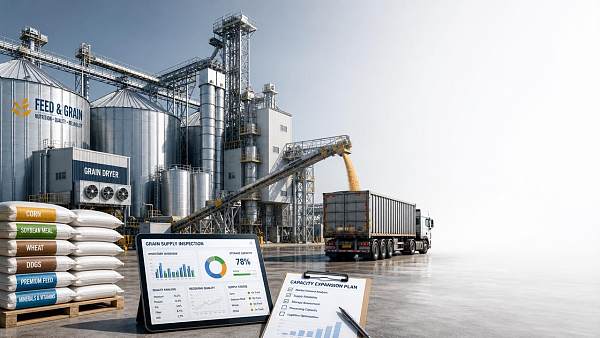
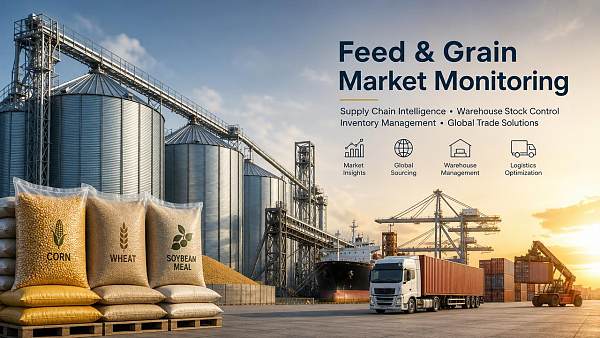
Before adding silos, lines, dryers, or packaging assets, Feed & Grain supply data should confirm that throughput growth is durable, serviceable, and profitable.
Reliable data reveals whether expansion solves a real constraint or simply magnifies sourcing, logistics, quality, or utilization problems already in the system.
This matters across the broader modern economy, where digital planning, compliance visibility, and terminal-based operations increasingly shape industrial investment quality.
Why a Structured View of Feed & Grain Data Matters
Capacity expansion decisions often fail when demand forecasts are separated from physical supply performance and real operating variability.
Feed & Grain supply data connects commercial expectations with field-level realities, transport timing, inventory turns, moisture variation, and supplier reliability.
A structured review also supports stronger governance. It creates traceable evidence for investment approvals, partner alignment, and digital reporting workflows.
When tracked consistently, Feed & Grain metrics reduce the chance of overbuilding, underutilizing equipment, or creating hidden cost pressure after commissioning.
The Data Points to Verify Before Expanding Capacity
- Measure three to five years of inbound Feed & Grain volumes by source, product type, and month to distinguish structural growth from temporary spikes.
- Track supplier concentration, contract duration, and replacement options to determine whether future throughput depends on too few counterparties.
- Review on-time delivery rates, transit variability, and lane disruptions because expansion fails when logistics cannot support planned intake windows.
- Compare peak-season receipts against unloading speed, storage dwell time, and line utilization to identify the true bottleneck in Feed & Grain flow.
- Analyze inventory turnover, stock aging, and safety stock levels to see whether added capacity improves flexibility or simply increases idle stock.
- Monitor moisture, contamination, test weight, and grading consistency because quality volatility can erase the gains expected from higher nominal capacity.
- Check shrink, waste, and rework rates across receiving, storage, and processing to understand where additional volume may create hidden losses.
- Map outbound demand timing, customer order patterns, and service-level commitments so Feed & Grain expansion matches downstream pull, not assumptions.
- Assess utility availability, labor coverage, maintenance windows, and digital monitoring readiness because physical capacity alone does not ensure throughput.
- Validate regulatory, traceability, and certification requirements early, especially when new Feed & Grain lines affect food safety, documentation, or export access.
How to Read the Numbers Correctly
Do not look at averages alone. Expansion decisions should focus on peak loads, exception frequency, and the cost of supply interruptions.
A site may show healthy annual volume while still failing during harvest peaks, port delays, or seasonal quality swings.
Feed & Grain data becomes more useful when connected across ERP, terminal systems, weighbridge records, testing logs, and freight events.
Key Situations Where Feed & Grain Tracking Needs Extra Attention
Storage Expansion
Additional storage looks attractive when harvest arrivals exceed current bin space. Yet storage alone may not solve intake congestion.
Review receiving speed, aeration limits, spoilage exposure, and inventory dwell time before building new Feed & Grain storage assets.
Processing Line Expansion
Processing upgrades require stable upstream quality and predictable throughput. Otherwise line performance will be interrupted by blending, cleaning, or moisture correction needs.
Use Feed & Grain quality history to estimate actual achievable output, not only nameplate speed from equipment specifications.
Multi-Site Network Planning
For networks with several terminals or facilities, local expansion can shift bottlenecks rather than eliminate them.
Compare lane costs, transfer times, shared supplier overlap, and digital visibility across sites before reallocating Feed & Grain volumes.
Export or Cross-Border Growth
Cross-border movement increases documentation demands, inspection timing, and quality assurance requirements.
Feed & Grain expansion linked to export growth should include compliance lead times, certificate validity, and rejection-risk analysis.
Commonly Missed Issues That Distort Expansion Decisions
Peak Volume Is Not the Same as Sustainable Volume
Short bursts of exceptional receipts can justify temporary measures, but not always permanent capital projects.
Supplier Growth Claims May Lack Operational Proof
Future supply commitments should be checked against acreage, yield variability, storage availability, and transport access.
Quality Data Is Often Recorded but Not Used
Ignoring recurring moisture or contamination issues can lead to underperforming new assets and inflated maintenance costs.
Digital Gaps Hide Real Constraints
Disconnected terminal, inspection, and inventory systems make Feed & Grain planning slower and less defensible.
Outbound Readiness Can Lag Behind Inbound Expansion
More intake capacity has limited value if dispatch, loading appointments, or downstream contracts remain unchanged.
A Practical Way to Execute the Review
Start with a twelve-quarter Feed & Grain dataset covering inbound volumes, supplier mix, delays, quality results, and inventory movement.
Then build a constraint map. Separate issues in receiving, storage, processing, outbound handling, and compliance workflows.
Next, test scenarios. Model base demand, peak-season stress, supplier loss, and transport disruption before approving any fixed design capacity.
Support the review with digital records wherever possible. Integrated dashboards improve traceability and shorten the time between observation and decision.
This is where data-led service infrastructure matters. Strong information discipline turns Feed & Grain planning into a repeatable operating capability.
Frequently Asked Questions About Feed & Grain Expansion Data
How much history is enough?
At least three years is useful. Five years is better when weather, freight disruption, or volatile sourcing affects Feed & Grain performance.
What metric is most often underestimated?
Quality consistency is frequently underestimated because its effects appear indirectly through downtime, blending losses, slower handling, and customer claims.
Should temporary congestion trigger expansion?
Not automatically. Verify whether scheduling, staffing, routing, or terminal improvements can resolve the issue before adding Feed & Grain assets.
Final Decision Path for Feed & Grain Capacity Planning
The best expansion decisions come from evidence, not optimism. Feed & Grain supply data should prove that volume, quality, and logistics can support larger assets.
Use a documented review sequence: collect clean data, identify bottlenecks, stress-test scenarios, and confirm downstream readiness.
If the numbers remain consistent under pressure, expansion becomes far more bankable, efficient, and aligned with actual market conditions.
That disciplined approach keeps Feed & Grain investment practical, scalable, and better integrated with modern digital operations.
Tags
Recommended for You
 Feed & Grain Market Signals: What Distributors Should Track This YearFeed & Grain distributors can stay ahead by tracking weather, freight, policy, basis, and demand signals. Learn the key market indicators that help protect margins and improve faster decisions.May 15, 2026Lina Cloud
 Agri & Forestry Operations: When Equipment Upgrades Deliver Real ROIAgri & Forestry equipment upgrades deliver real ROI when they reduce downtime, ease labor pressure, and improve cost control. Learn how to choose smarter, higher-performing investments.May 15, 2026Lina Cloud
 Aquaculture & Fishery Equipment Planning: Common Mistakes in Early ProjectsAquaculture & Fishery project planning guide: avoid early equipment mistakes in capacity, automation, compliance, and lifecycle cost to improve ROI, reliability, and long-term performance.May 15, 2026Lina Cloud
 Sodium Benzoate Manufacturer Review: What to Verify Before ApprovalSodium benzoate manufacturer review guide: verify certifications, documents, traceability, and supply stability before approval to reduce compliance risk and choose a dependable supplier.May 15, 2026Marcus Trust
 Wholesale Potassium Sorbate: Cost Factors That Change Large-Volume QuotesWholesale potassium sorbate quotes vary with grade, packaging, freight, compliance, and payment terms. Learn how to compare landed costs, reduce budget risk, and negotiate smarter bulk deals.May 15, 2026Dr. Marcus Fin
 Bulk Citric Acid Anhydrous: Quality Checks That Prevent Supply RisksBulk citric acid anhydrous quality checks can prevent contamination, audit failures, and costly delays. Learn how to verify specs, packaging, storage, and supplier reliability.May 15, 2026Marcus Trust
 Feed & Grain Processing Equipment: Selection Tips for Stable ThroughputFeed & Grain processing equipment selection tips for stable throughput, better hygiene, and lower downtime. Learn how to match capacity, automation, and material flow for reliable performance.May 15, 2026Lina Cloud
 Vietnam Enforces VNPAY QR SDK Requirement for Digital SignageVNPAY QR SDK requirement for digital signage takes effect May 2026 in Vietnam — learn how QCVN 122 compliance impacts exporters, OEMs, and supply chains.May 15, 2026Digital Signage
 First Global AI Terminal ESG Compliance White Paper ReleasedFirst Global AI Terminal ESG Compliance White Paper launched—key for POS, digital signage & edtech manufacturers seeking ESG-aligned procurement access.May 15, 2026Marcus Trust
 SAMR Launches 1800-Standard Revision Plan: PCI-DSS 4.0 Compliance Mandatory for POS Hardware ExportsPCI-DSS 4.0 compliance is now mandatory for POS hardware exports under SAMR’s new GB/T 18755–2026 standard — act now to secure your export license before October 1, 2026.May 15, 2026Dr. Marcus Fin
 Japan Enforces JIS X 8350-2026 for Industrial PDAsJapan enforces JIS X 8350-2026 for industrial PDAs: mandatory Japanese dialect speech recognition & WCAG 2.2 AA touch compliance. Act now to avoid export delays!May 15, 2026Digital Signage
 FCC Tightens Wi-Fi 7 EMI Limits for AI Learning DevicesFCC tightens Wi-Fi 7 EMI limits for AI learning devices—3 dB stricter radiated emissions rules now impact certification, design & supply chains. Act now.May 15, 2026Professor Sarah Ed
 EU Commission Launches CBAM Digital Terminals Impact AssessmentCBAM Digital Terminals impact assessment is live—discover how POS systems, kiosks & digital signage face new EU carbon reporting rules and what your business must do now.May 15, 2026Dr. Marcus Fin
 Vietnam MOIT Enforces VNPAY QR SDK Mandate for Digital SignageVietnam MOIT mandates VNPAY QR SDK integration for digital signage—starting May 2026. Ensure compliance, pass NPS sandbox tests, and avoid customs rejection.May 15, 2026Digital Signage
 Guidance for AI Learning Devices") FDA Urgently Revises 510(k) Guidance for AI Learning DevicesFDA's urgent 510(k) revision for AI learning devices demands clinical-grade human factors validation—key for AI Learning Hubs, Interactive Flat Panels & STEM Kits entering the U.S. market.May 15, 2026Professor Sarah Ed
FDA Urgently Revises 510(k) Guidance for AI Learning DevicesFDA's urgent 510(k) revision for AI learning devices demands clinical-grade human factors validation—key for AI Learning Hubs, Interactive Flat Panels & STEM Kits entering the U.S. market.May 15, 2026Professor Sarah Ed IEC/ISO Launch AI Terminal Security Framework for POS/KiosksIEC/ISO AI Terminal Security Framework for POS/kiosks: First global standard mandating real-time edge AI threat detection—critical for 2027 compliance, certification & market access.May 15, 2026Lina Cloud
 Aquaculture & Fishery Input Planning: Cost Risks to Review EarlyAquaculture & Fishery cost planning starts with early risk review. Discover how to control feed, energy, equipment, and compliance costs before they erode project margins.May 14, 2026Lina Cloud
 Melamine Powder Wholesale: How to Balance Price, Purity, and SupplyMelamine powder wholesale guide for B2B buyers: learn how to balance price, purity, and supply stability to reduce risk, improve quality, and source with confidence.May 14, 2026Marcus Trust
 Hydroxypropyl Methylcellulose HPMC Wholesale Price Factors ExplainedHydroxypropyl methylcellulose HPMC wholesale price factors explained: learn how grades, raw materials, packaging, and logistics affect cost to source smarter and protect margins.May 14, 2026Lina Cloud
 Industrial Grade Urea: Quality Risks That Affect Product SafetyIndustrial grade urea quality risks can threaten product safety, compliance, and uptime. Learn how to assess purity, storage stability, and supplier consistency.May 14, 2026Marcus Trust
 Feed & Grain Processing Technology: Common Upgrade MistakesFeed & Grain processing technology upgrades often fail due to poor planning and weak integration. Discover common mistakes, practical fixes, and smarter ways to protect budget, output, and compliance.May 14, 2026Lina Cloud
 Feed & Grain Processing Equipment: Cost Drivers and ROI SignalsFeed & Grain processing equipment cost drivers and ROI signals explained. Compare automation, energy, compliance, and maintenance factors to make smarter, lower-risk investment decisions.May 14, 2026Lina Cloud
 2026 Agri & Forestry Machinery Manufacturer Trends to WatchAgri & Forestry machinery manufacturers face a pivotal 2026: explore key trends in connectivity, compliance, dealer digitization, and data-led service shaping future leaders.May 14, 2026Lina Cloud
 Agri & Forestry Machinery Manufacturers: Key Checks Before ShortlistingAgri & Forestry machinery manufacturers should be screened beyond price. Learn the key checks on quality, compliance, delivery, and after-sales support to shortlist with confidence.May 14, 2026Lina Cloud
 How to Compare Agri & Forestry Machinery Specifications Before ApprovalAgri & Forestry machinery specifications should be compared by use case, compliance, supplier support, and total cost of ownership. Learn how to approve with less risk and stronger ROI.May 14, 2026Lina Cloud
 Agri & Forestry Machinery Specifications That Matter in Daily Field UseAgri & Forestry machinery specifications that matter most in daily field use—compare torque, hydraulics, stability, safety, and serviceability to choose equipment that boosts uptime and productivity.May 14, 2026Lina Cloud
 First Global AI Terminal ESG Compliance Blueprint ReleasedAI Terminal ESG Compliance Blueprint unveiled — the world’s first global framework for POS, digital signage & AI learning devices. Discover how it reshapes supplier qualification, traceability, and market access.May 14, 2026Marcus Trust
 JIS X 8350-2026 Takes Effect: Industrial PDAs Must Support Japanese Voice Commands & Accessible TouchJIS X 8350-2026 is live: Industrial PDAs for Japan must now support Japanese voice commands (incl. dialects) & accessible touch—act now to ensure compliance and avoid shipment delays.May 14, 2026Digital Signage
 EU CBAM Extends to Digital Terminals: POS/Kiosk Exporters Must Submit LCA ReportsEU CBAM now covers POS/kiosk/digital signage exporters — submit verified LCA reports by Oct 2026 to avoid carbon duties & border delays.May 14, 2026Dr. Marcus Fin
 FCC Tightens EMI Limits for Wi-Fi 7 AI Learning DevicesFCC tightens EMI limits for Wi-Fi 7 AI learning devices—12 dB stricter in 3.5–7.125 GHz. Act now to avoid U.S. shipment delays & redesign costs.May 14, 2026Professor Sarah Ed
 China Mandates PCI-DSS 4.0 for POS Hardware ExportsChina mandates PCI-DSS 4.0 for POS hardware exports — discover how SM4 integration, compliance deadlines, and global market access impact your business.May 14, 2026Dr. Marcus Fin
 Vietnam’s TISI Enforces VNPAY QR v3.2 SDK Requirement for Digital Signage ImportsVietnam’s TISI now mandates VNPAY QR v3.2 SDK for digital signage imports — avoid customs delays & payment rejection. Act now to ensure compliance.May 14, 2026Digital Signage
 IEC 62443-4-2:2026 Enforces AI Threat Modeling for Industrial PDA ExportsIEC 62443-4-2:2026 mandates AI threat modeling for industrial PDAs—critical for EU, GCC & ASEAN exports. Act now to avoid customs rejection and tender disqualification.May 14, 2026Digital Signage
 Agri & Forestry Operations: Common Equipment Selection Mistakes to AvoidAgri & Forestry equipment selection mistakes can drive hidden costs, downtime, and safety risks. Learn what to avoid and choose smarter machines for lasting performance.May 13, 2026Lina Cloud
 Feed & Grain Supply Data: What to Track Before Capacity ExpansionFeed & Grain supply data reveals what to track before capacity expansion, from volumes and logistics to quality and compliance, helping you avoid costly overbuilds and invest with confidence.May 13, 2026Professor Sarah Ed
 Aquaculture & Fishery Equipment Upgrades That Improve Yield ControlAquaculture & Fishery equipment upgrades improve yield control with smart feeding, water-quality monitoring, automation, and traceability—discover practical ways to cut risk and boost efficiency.May 13, 2026Lina Cloud
 Bulk Gelatin Manufacturer Checklist for Stable Quality and SupplyBulk gelatin manufacturer checklist for buyers: assess batch consistency, traceability, compliance, and supply resilience to reduce sourcing risk and choose reliable long-term partners.May 13, 2026Marcus Trust
 Pharmaceutical Packaging Materials: How to Reduce Compliance Failure RisksPharmaceutical packaging materials can make or break compliance. Learn how to cut failure risks with smarter testing, supplier control, and audit-ready documentation.May 13, 2026Marcus Trust
 Wholesale Excipients: Cost Risks Hidden in Supplier and Batch VariabilityWholesale excipients may look cost-effective, but supplier and batch variability can drive hidden QA, validation, and continuity risks. Learn how to assess total sourcing exposure.May 13, 2026Marcus Trust
 Feed & Grain Processing Equipment: What Drives Downtime and Repair CostFeed & Grain processing equipment downtime often starts with hidden wear, dust, overload, and poor lubrication. Learn scenario-based fixes to cut repair cost and restore stable output faster.May 13, 2026Lina Cloud