[FIN]CROSS-BORDERVOL: $4.2T
[SEC]CYBER ALERT: TIER2
[POL]IS0 GROWTH:+14%
[GEO] CLOUDINDEX: +2.4%
Structural Logic
Category Filters
Bulk Sodium Metabisulfite Safety Checklist
Lead Author
Published
Views:
Bulk Sodium Metabisulfite Safety Checklist
Managing bulk sodium metabisulfite requires more than routine handling procedures—it demands a clear safety checklist aligned with quality control, workplace protection, storage integrity, and regulatory compliance.
For QC teams and safety managers, even small oversights in exposure control, labeling, ventilation, or moisture prevention can affect product stability and operational risk.
This guide introduces the key checkpoints needed to help facilities assess hazards, standardize inspections, and strengthen safe handling practices across procurement, warehousing, and production environments.
The main search intent behind this topic is practical: teams want a reliable checklist they can use before receiving, storing, sampling, or using bulk sodium metabisulfite.
They are usually not looking for chemistry theory alone. They need controls that reduce exposure, prevent degradation, support audits, and protect product quality.
Start With the Real Risk Profile, Not Just the Product Name

Bulk sodium metabisulfite is widely used as a reducing agent, preservative, oxygen scavenger, and process additive across multiple industrial and food-related applications.
Its routine use can make teams underestimate its hazards. The most important risks involve sulfur dioxide release, respiratory irritation, moisture sensitivity, and incompatible chemicals.
When sodium metabisulfite contacts acids, water, or humid air, it may release sulfur dioxide gas. This can irritate eyes, skin, and respiratory passages.
Employees with asthma, sulfite sensitivity, or respiratory conditions may be more vulnerable. Safety managers should treat exposure control as a primary requirement.
For quality control, the same moisture sensitivity affects stability. Caking, odor changes, assay drift, or discoloration can indicate compromised storage or handling.
A strong safety checklist should therefore combine worker protection and product integrity. Separating EHS and QC controls often creates blind spots during bulk operations.
Receiving Checklist: What QC and Safety Teams Should Verify First
Before accepting bulk sodium metabisulfite, confirm that purchase specifications match the intended application. Industrial, food, feed, and pharmaceutical grades may carry different requirements.
Review the certificate of analysis against internal specifications. Typical checks may include assay, sulfur dioxide content, pH, insoluble matter, iron, heavy metals, and moisture.
Confirm supplier documentation is current. At minimum, maintain the safety data sheet, technical data sheet, lot number, manufacturing date, and applicable compliance declarations.
Packaging condition is a critical receiving checkpoint. Look for torn bags, punctured liners, water stains, hardened material, unusual odor, or evidence of contamination.
If material arrives in big bags, drums, or palletized sacks, verify that secondary wrapping has protected the product from humidity during transit.
Do not rely only on visual inspection. If damage is observed, quarantine the lot and follow a documented nonconformance process before release.
For imported material, check local regulatory alignment. Classification, labeling, registration, customs documents, and transport declarations should match the destination country requirements.
Procurement should not approve alternate suppliers without QC and EHS review. Lower price can create hidden costs if documentation, purity, or packaging standards are weak.
Storage Controls: Keep It Dry, Sealed, Segregated, and Traceable
The most important storage rule is moisture prevention. Bulk sodium metabisulfite should be stored in a cool, dry, well-ventilated area with intact packaging.
Relative humidity monitoring is recommended in warehouses handling large volumes. Even limited moisture intrusion can cause caking, degradation, and sulfur dioxide odor.
Keep containers tightly closed when not in use. Open bags should be resealed, transferred to compatible containers, or consumed through a controlled first-opened process.
Segregation is essential. Store away from acids, oxidizing agents, strong bases where specified by the SDS, food ingredients requiring separation, and incompatible waste streams.
Do not store bulk sodium metabisulfite directly on floors. Use pallets, dry racks, or protected storage systems that reduce water and contamination exposure.
Warehouse teams should apply first-in, first-out or first-expired, first-out controls. Lot traceability must remain intact after partial use, repacking, or internal transfer.
Storage areas should include clear labels, emergency contacts, spill kits, eyewash access, and ventilation appropriate for potential sulfur dioxide release.
If facilities use automated inventory systems, link lot status to QC release decisions. Prevent unapproved lots from being issued to production by mistake.
Handling and PPE: Protect Workers During Routine and Non-Routine Tasks
Routine handling can generate dust, especially during bag opening, weighing, charging, or transfer. Dust control should be addressed before relying on respirators.
Use local exhaust ventilation where powder is transferred frequently. Enclosed feeding systems, dust extraction arms, and controlled charging stations reduce exposure risk.
Recommended PPE typically includes chemical-resistant gloves, safety goggles, protective clothing, and suitable respiratory protection when dust or sulfur dioxide exposure may occur.
The exact PPE must be based on the SDS, exposure assessment, task duration, ventilation level, and local occupational health regulations.
Employees should avoid eating, drinking, or touching the face in handling areas. Handwashing and garment control are simple but important exposure barriers.
When opening bulk packaging, workers should stand upwind or away from dust release points. Cut bags carefully to prevent sudden powder discharge.
For confined or poorly ventilated areas, do not assume normal PPE is sufficient. Evaluate oxygen levels, sulfur dioxide risk, and confined-space requirements.
Training should cover symptoms of exposure, including coughing, throat irritation, shortness of breath, eye watering, and skin irritation after contact.
Ventilation and Exposure Monitoring: Do Not Wait for Odor Complaints
Sulfur dioxide odor can warn of a problem, but odor should never be the primary control method. Sensitivity varies among workers.
Facilities handling significant volumes should assess airborne dust and potential sulfur dioxide exposure. Monitoring frequency depends on task risk and regulatory expectations.
Local exhaust systems should be inspected routinely. Filters, ducting, capture velocity, and negative pressure must be maintained to prevent exposure drift.
If employees report respiratory symptoms, investigate immediately. Review recent lots, humidity events, acid contact risks, ventilation status, and changes in handling methods.
Safety managers should maintain exposure records, corrective actions, and medical evaluation procedures where required. Documentation supports both compliance and prevention.
Air monitoring is especially important during cleaning, spill response, maintenance, and transfer line opening. These non-routine tasks often create higher exposure.
Quality Control Checklist: Protect Assay, Function, and End-Use Reliability
QC teams should define acceptance criteria before material arrives. Bulk sodium metabisulfite used in sensitive processes needs tighter control than general industrial uses.
Assay verification confirms active content and helps detect degradation. Moisture, insolubles, pH, and sulfite-related parameters may also be relevant.
Sampling must be controlled to avoid moisture uptake. Use clean, dry tools, minimize open-container time, and reseal packaging immediately after sampling.
Retain samples should be stored under conditions that preserve integrity. Label them with lot number, sampling date, sampler, container type, and storage location.
If sodium metabisulfite is used in food-contact, beverage, or pharmaceutical-related processes, verify applicable standards such as FCC, USP, EP, or local rules.
For industrial processes, confirm performance in the specific application. Dechlorination, oxygen scavenging, or reducing performance may be more important than assay alone.
Trend QC results over time. Gradual changes in moisture, caking, odor, or assay can reveal supplier, packaging, or warehouse control problems.
Labeling, Documentation, and Audit Readiness
Every container should remain clearly labeled from receipt to final use. Labels should identify chemical name, grade, lot number, hazard symbols, and handling precautions.
Secondary containers require equivalent workplace labels. Unlabeled scoops, bins, or temporary containers create preventable audit findings and safety incidents.
Maintain an updated SDS accessible to employees in their working language where required. Workers should know how to find it quickly.
Documentation should include receiving records, COA review, QC release status, training logs, inspection records, incident reports, and disposal documentation.
For multinational operations, align labeling and documentation with GHS-based systems and local regulations. Requirements can vary by jurisdiction and product classification.
Audit readiness improves when responsibilities are clear. Define who checks documentation, who releases lots, who inspects storage, and who approves deviations.
Spill and Emergency Response: Control Dust, Moisture, and Gas Release
Spill response procedures should be written before an incident occurs. Employees must know when they can respond and when to evacuate.
For small dry spills, avoid creating dust. Use appropriate PPE, careful sweeping, compatible vacuum systems, or methods recommended by the SDS.
Do not wash material into drains unless specifically approved by environmental procedures. Water contact can increase decomposition and sulfur dioxide release.
If acid contact is suspected, isolate the area and increase ventilation if safe. Sulfur dioxide generation may require emergency response support.
Emergency equipment should include eyewash stations, safety showers where appropriate, compatible cleanup tools, sealed waste containers, and respiratory protection if authorized.
Incident reports should identify root causes. Common causes include damaged packaging, wet floors, poor segregation, incorrect disposal, or untrained temporary workers.
Compatibility and Process Controls During Production Use
Production teams should understand what sodium metabisulfite will contact during use. Acids, oxidizers, and uncontrolled water addition can change the risk profile.
Charging procedures should specify order of addition, maximum batch quantity, ventilation requirements, and emergency stops. Informal operator habits create inconsistent risk.
Where the material is dissolved before use, add it under controlled conditions. Avoid splashing, excessive dusting, and mixing with incompatible residues.
Equipment should be clean, dry where required, and compatible with sulfite chemistry. Residual acidic cleaners can create unexpected sulfur dioxide release.
For automated dosing systems, check seals, hoppers, sensors, and dust collection points. Mechanical reliability directly affects both safety and process accuracy.
Change control is necessary when modifying concentration, supplier, packaging size, or feeding equipment. Small changes may affect exposure and finished product quality.
Waste Management and Environmental Compliance
Waste sodium metabisulfite should be managed according to local environmental rules, SDS guidance, and facility permits. Do not assume all residues are harmless.
Contaminated packaging may still contain powder or sulfite residues. Define whether bags, liners, or drums require special handling before disposal or recycling.
Waste streams should not be mixed with acids or oxidizers without approved treatment controls. Incompatible disposal can create gas release or heat.
Environmental teams should evaluate wastewater impacts where sulfites are discharged. Oxygen demand, pH, and local discharge limits may be relevant.
Document waste quantities, disposal vendors, treatment approvals, and emergency releases. Reliable records reduce regulatory risk during inspections and internal audits.
A Practical Inspection Schedule for Bulk Sodium Metabisulfite
Daily inspections should focus on visible storage risks. Check open containers, moisture signs, damaged packaging, ventilation operation, housekeeping, and blocked emergency equipment.
Weekly checks can review inventory status, lot traceability, FIFO compliance, spill kit readiness, and whether any material remains in temporary containers.
Monthly inspections should include deeper review of ventilation performance, training gaps, SDS access, expired lots, and corrective actions from previous findings.
After heavy rain, leaks, HVAC failures, or warehouse relocation, conduct an additional inspection. Moisture events deserve immediate attention for this chemical.
QC should periodically compare retained samples with current inventory condition. This helps identify degradation that warehouse inspections may not detect.
Safety managers should review incident trends quarterly. Repeated minor dust releases or odor complaints often signal a system weakness requiring investment.
Common Mistakes That Create Avoidable Risk
One common mistake is treating bulk sodium metabisulfite like an ordinary dry powder. Its chemistry requires specific moisture and compatibility controls.
Another mistake is accepting incomplete supplier documentation because the material has been purchased before. Supplier performance can change between lots or regions.
Facilities also overlook partially used bags. Open packaging is where moisture pickup, labeling loss, and contamination are most likely to occur.
Some teams rely on PPE while ignoring ventilation. Respirators should not replace engineering controls when frequent transfer or weighing activities create dust.
Finally, emergency procedures are sometimes written but not practiced. Spill response drills reveal whether workers understand segregation, evacuation, and reporting steps.
How to Turn the Checklist Into a Working Management System
A checklist is useful only if it is embedded into daily decisions. Assign owners for receiving, storage, handling, QC, and emergency response.
Use risk ranking to prioritize improvements. High-volume transfer points, humid warehouses, and manual bag dumping areas usually deserve attention first.
Integrate the checklist with procurement approvals. Supplier selection should consider documentation quality, packaging robustness, logistics reliability, and consistency of specifications.
Digital inspection tools can improve follow-up. Photos, timestamps, corrective actions, and trend dashboards help managers see recurring problems across sites.
Training should be role-based. QC analysts, forklift operators, production workers, maintenance staff, and emergency responders need different levels of detail.
The goal is not paperwork volume. The goal is reliable control of exposure, product stability, compliance evidence, and operational continuity.
Conclusion: The Right Checklist Reduces Both Safety and Quality Risk
Bulk sodium metabisulfite safety depends on disciplined control of moisture, dust, ventilation, compatibility, documentation, and worker exposure during every handling stage.
For QC personnel, the checklist protects assay, purity, traceability, and end-use performance. For safety managers, it reduces respiratory and chemical incident risks.
The most effective programs connect procurement, warehousing, production, QC, and EHS rather than treating safety as a separate afterthought.
If your facility handles this material in bulk, review current practices against the checkpoints above and prioritize gaps with the highest exposure or quality impact.
A practical, regularly used checklist turns sodium metabisulfite from a routine inventory item into a controlled material with predictable safety and performance outcomes.
Tags
Recommended for You
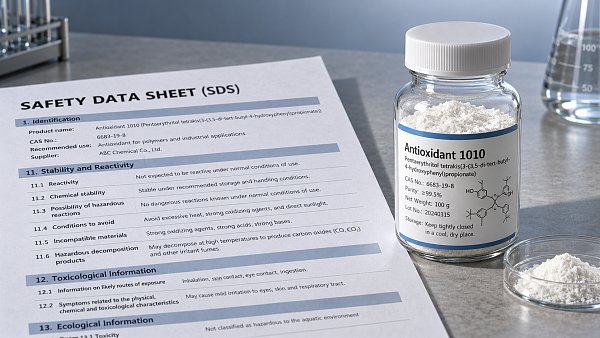
 How to review SDSs before buying high-temperature antioxidants in bulkPlanning high temperature antioxidants bulk purchases? Learn how to review SDSs, assess handling and thermal hazards, and uncover hidden costs before approving your next order.Oct 20, 2026Marcus Trust
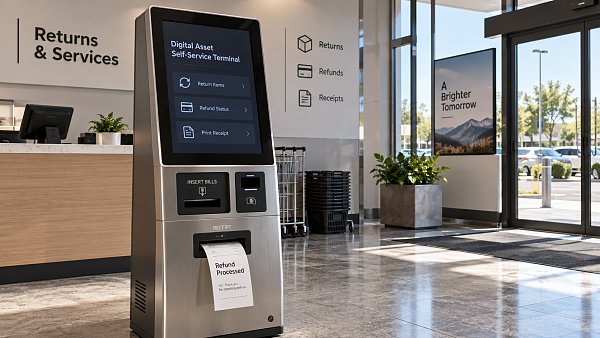
 Illinois Digital Asset Kiosk Operators Refund Over $750,000 Under DAKAIllinois digital asset kiosk operators refund over $750,000 under DAKA. Explore scam refund protections, fee caps, and transaction limits—and learn what they mean for consumers.Oct 20, 2026Dr. Hideo Tanaka
 What capacity roller mill do you need for wheat flour production?Choose the right roller mill for wheat flour by matching capacity to output, extraction rate, and operating hours. Learn how to compare suppliers and avoid costly bottlenecks.Oct 19, 2026Lina Cloud
 How does the required frequency range affect EMC testing costs?EMC test frequency range cost depends on equipment, test methods, and product complexity. Learn how to compare lab quotes, avoid hidden charges, and budget smarter.Oct 18, 2026Marcus Trust
 How digital classrooms shape the education infrastructure marketEducation Infrastructure market analysis reveals how digital classrooms reshape spending on connectivity, software, and support. Explore growth opportunities and smarter investment decisions.Oct 17, 2026Lina Cloud
 How to verify the safe load capacity of HDPE aquaculture modulesVerify the safe load capacity of HDPE aquaculture modules with practical guidance on buoyancy, stability, connections, and long-term performance. Learn what to check before approving loads.Oct 16, 2026Marcus Trust
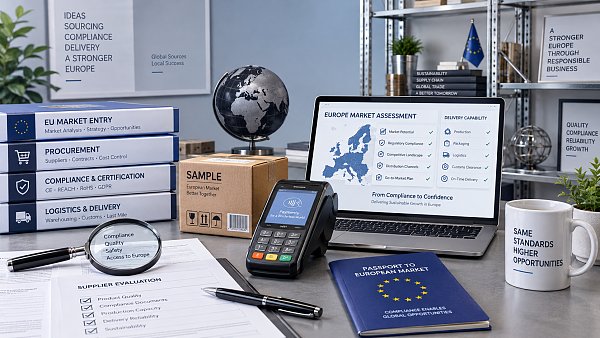
 How to choose a target country for market penetration in EuropePlan Market Penetration in Europe with confidence. Learn how to compare demand, regulations, competition, and delivery costs to choose the right country for sustainable growth.Oct 15, 2026Lina Cloud
 ISO/IEC 27001:2026 Officially Published for Information Security ManagementISO/IEC 27001:2026: Explore the reported update for cloud CRM, payment gateways and AI-ERP. Discover what to verify before planning certification and procurement changes.Oct 15, 2026Marcus Trust
 How to verify food-grade compliance for wholesale locust bean gumEvaluating locust bean gum wholesale suppliers? Learn how to verify food-grade compliance, check batch reports, and confirm traceability to reduce sourcing risks and buy with confidence.Oct 14, 2026Marcus Trust
 What Drives Data Compliance Software Costs Beyond the License Fee?Explore data compliance software costs beyond the license fee, from integrations and training to usage charges. Uncover hidden expenses and compare vendors with confidence.Oct 19, 2026Marcus Trust
 Privacy Software for Compliance Officers: Streamlining Assessments and ApprovalsExplore privacy software for compliance officers to streamline assessments, connect evidence, and track approval conditions. Learn how to reduce review delays and keep decisions audit-ready.Oct 18, 2026Marcus Trust
 Evaluating Privacy Risk Management Software: Scoring and Remediation WorkflowsEvaluate privacy risk management software with practical tests for transparent scoring, accountable remediation, and verified risk reduction. Discover how to choose a platform you can trust.Oct 17, 2026Marcus Trust
 DSAR Compliance Software: Resolving Identity Checks and Missed DeadlinesDSAR compliance software helps streamline identity checks, track legal deadlines, and unblock stalled requests. Discover practical ways to reduce delays and build auditable workflows.Oct 16, 2026Marcus Trust
 Best Enterprise Tools for Cross-Border Video Privacy: What to CompareCompare the best enterprise tools for cross-border video privacy compliance. Explore data residency, access controls, redaction, and retention to choose the right solution.Oct 15, 2026Marcus Trust
 Which Privacy Platforms Support GDPR, CCPA, and Cross-Jurisdiction Workflows?Which privacy platforms support cross-jurisdiction compliance? Compare GDPR and CCPA workflows, data discovery, and audit evidence to shortlist the right solution.Oct 14, 2026Marcus Trust
 What should schools check before choosing a payment gateway?What should schools check before choosing a payment gateway? Discover key security, integration, fee, and settlement checks to simplify collections and choose with confidence.Oct 19, 2026Dr. Marcus Fin
 Does PCI DSS apply when schools accept online payments?Is PCI-DSS relevant when schools accept online payments? Learn how to reduce compliance scope, choose the right SAQ, and verify payment providers to protect your school.Oct 18, 2026Dr. Marcus Fin
 How do you create a regional compliance map for EdTech?How do we create a regional compliance map for EdTech? Explore practical steps to map privacy rules, data flows, accessibility, and launch controls for confident regional expansion.Oct 17, 2026Marcus Trust
 What data privacy risks are common in interactive classrooms?Which data privacy risks are common in interactive classrooms? Explore tracking, weak access controls, and AI data reuse—and learn practical ways to protect students.Oct 16, 2026Lina Cloud
 How often should smart terminals receive security updates?How often should smart terminals receive security updates? Discover practical patch schedules, urgent threat priorities, and safe rollout strategies to protect devices and reduce downtime.Oct 15, 2026Lina Cloud
 What happens to school data when a cloud contract ends?What happens to school data when a cloud contract ends? Learn how to secure usable exports, manage access deadlines, and verify deletion to protect student records and avoid costly exit risks.Oct 14, 2026Professor Sarah Ed
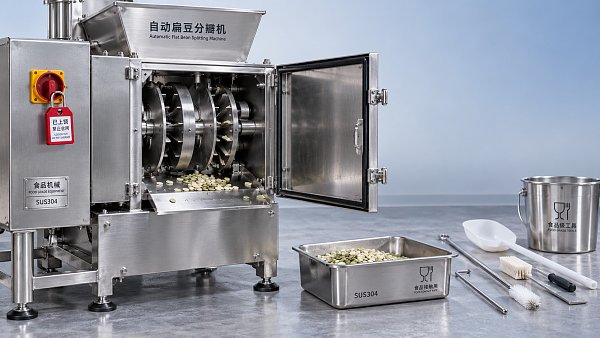
 How to clear jams safely in an automatic lentil splitting machineAutomatic lentil splitting machine jammed? Learn safe lockout steps, approved clearing methods, and restart checks to protect operators and reduce repeat blockages.Oct 13, 2026Marcus Trust
 How to keep AI-assisted learning content aligned with course goalsAI assisted learning content: learn how to align lessons, quizzes, and feedback with course goals using clear objectives, expert review, compliance guardrails, and learner data.Oct 12, 2026Professor Sarah Ed
 What documents should a bulk defoamers exporter provide?Bulk defoamers exporter documentation guide: discover essential SDS, CoA, TDS, customs, transport, and compliance files for safer global sourcing.Oct 11, 2026Marcus Trust
 How to evaluate PCI DSS compliance tools for continuous control monitoringPCI DSS compliance tools: learn how to evaluate continuous control monitoring, evidence quality, integrations, and remediation workflows for audit-ready security.Oct 10, 2026Lina Cloud
 When is an FRP fish tank a better choice than glass?FRP fish tank vs. glass: discover when fiberglass offers superior durability, custom shapes, outdoor resilience, and easier installation for your aquarium project.Oct 09, 2026Marcus Trust
 What yield should a commercial salmon filleting machine deliver?Fish filleting machine commercial for salmon: learn how to evaluate realistic yield, saleable output, throughput, trim quality, labor needs, and supplier trial results.Oct 08, 2026Marcus Trust
 How to calculate enclosed belt conveyor capacity for bulk materialsEnclosed belt conveyor capacity explained: calculate bulk-material throughput with effective area, belt speed, density, fill limits, and practical design checks.Oct 07, 2026Lina Cloud
 How to verify an electronics recycling certification before hiring a recyclerElectronics recycling certification verification made simple: check validity, scope, accreditation, data security, and downstream controls before hiring a recycler.Oct 06, 2026Marcus Trust
 How to verify CE compliance for a rotary rack oven before purchaseRotary rack oven CE verification made simple: check model-specific declarations, markings, gas and electrical documentation before purchase to prevent costly compliance delays.Oct 05, 2026Marcus Trust
 How to prevent nutrient runoff from aquaculture waste managementAquaculture & Fishery waste management: prevent nutrient runoff with smarter feeding, solids capture, sludge control, treatment, and monitoring.Oct 04, 2026Marcus Trust
 How to verify safety documentation when buying organic solvents wholesaleOrganic solvents wholesale buyers: learn how to verify SDS, CoA, labels, batch traceability, and transport records before delivery. Reduce compliance risks and purchase with confidence.Oct 03, 2026Marcus Trust
 What hygiene standards should a stainless steel cattle slaughtering line meet?Stainless steel cattle slaughtering line hygiene standards: explore hygienic design, zoning, drainage, sanitation, and compliance essentials for safer beef processing.Oct 02, 2026Marcus Trust
 Digital classroom integration examples that improve lesson flowDigital classroom integration examples that improve lesson flow, connect teaching tools, streamline support, and create reliable, engaging learning experiences.Oct 01, 2026Professor Sarah Ed
 Which CE documents should accompany peanut shelling machines?Peanut shelling machines CE guide: learn which documents—Declaration of Conformity, manuals, technical files, and risk assessments—protect imports and compliance.Sep 30, 2026Marcus Trust
 How to verify whether organic Tribulus terrestris extract is certifiedVerify tribulus terrestris extract organic certification with confidence. Learn how to check certificate scope, botanical identity, certifier validity, lot traceability, and processing details.Sep 29, 2026Marcus Trust
 How to prevent uneven feed in a stainless liquid adding machineStainless liquid adding machine feed issues? Learn practical ways to prevent uneven dosing, reduce air leaks, stabilize flow, and improve production consistency.Sep 28, 2026Lina Cloud
 How to verify aquaculture utilities compliance before a site auditAquaculture utilities compliance: learn how to verify water, power, wastewater, alarms, and records before a site audit to reduce risk and prove control.Sep 27, 2026Marcus Trust
 How to size a tunnel oven for a biscuits factory’s target outputTunnel oven for biscuits factory sizing: learn how to match output targets, band loading, bake time, zones, and cooling capacity for reliable production.Sep 26, 2026Lina Cloud
 What purity specifications matter when sourcing bulk magnesium stearate in North America?Bulk magnesium stearate North America buyers: learn the purity specifications that protect quality, compliance, and production performance.Sep 25, 2026Marcus Trust