[FIN]CROSS-BORDERVOL: $4.2T
[SEC]CYBER ALERT: TIER2
[POL]IS0 GROWTH:+14%
[GEO] CLOUDINDEX: +2.4%
Structural Logic
Category Filters
Supply Chain Transparency Trends That Matter in 2026
Lead Author
Published
Views:
In 2026, Supply Chain Transparency has moved far beyond audit preparation and supplier declarations. It now influences how organizations manage digital risk, validate compliance, protect cash flow, and maintain trust across increasingly connected service and hardware ecosystems.
That shift matters across enterprise software, payment infrastructure, smart terminals, education technology, and certification services. Where products, data, firmware, payments, and third-party operations intersect, visibility is no longer optional. It is a practical operating discipline.
For businesses working across global sourcing, regulated markets, and multi-vendor deployments, the real question is not whether transparency matters. The question is which trends now define useful transparency, and how those signals should shape decisions in 2026.
Why transparency now sits at the center of operating resilience
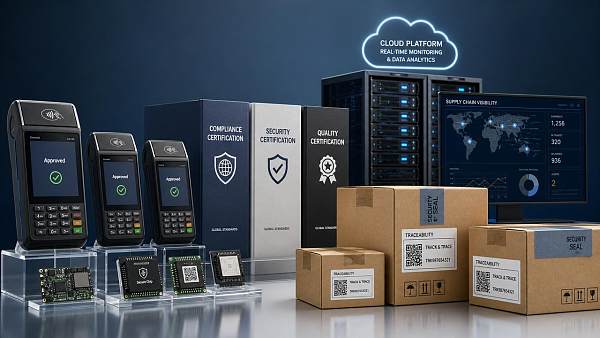
Global supply chains are no longer judged only by cost, speed, and scale. They are also judged by traceability, data integrity, regulatory alignment, and the ability to explain how products and services are delivered.
This is especially visible in environments shaped by AI-led procurement, embedded finance, and connected terminals. A missing component origin, unclear software dependency, or unverified service partner can disrupt operations as quickly as a shipment delay.
Supply Chain Transparency, in that context, means more than seeing inventory in motion. It includes knowing who supplies what, where data flows, which standards apply, and how exceptions are identified before they become failures.
What Supply Chain Transparency really means in 2026
A useful definition has become broader. Physical traceability remains important, but transparency now extends into digital and service layers that were once treated separately.
In practice, Supply Chain Transparency covers component provenance, software bill of materials, vendor risk exposure, certification status, labor and environmental claims, logistics events, and downstream service performance.
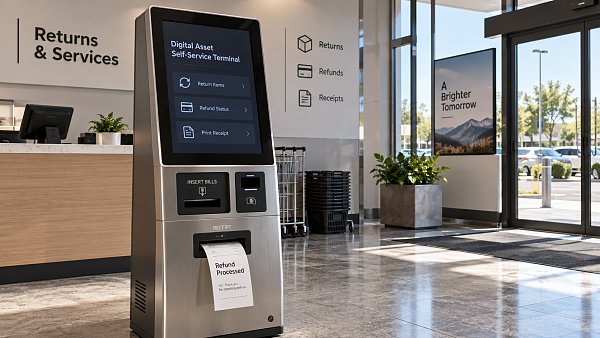
That broader view reflects how modern businesses operate. A payment terminal, for example, is not just a hardware unit. It combines semiconductors, operating systems, application layers, payment security controls, regional compliance requirements, and maintenance partners.
The same logic applies to cloud platforms, EdTech devices, and testing services. When one link is opaque, the whole chain becomes harder to trust, insure, certify, or scale.
The trends that matter most this year
1. Multi-tier mapping is becoming standard
Many organizations already know their direct suppliers. In 2026, that is not enough. Exposure often sits at tier-two and tier-three levels, where component substitutions, labor issues, sanctions risk, and cybersecurity weaknesses are harder to detect.
The more strategic trend is deeper mapping. Companies want to understand upstream dependencies across materials, firmware providers, managed service vendors, and certification bodies, not only final assembly partners.
2. Transparency is shifting from static reporting to live intelligence
Annual questionnaires and spreadsheet updates still exist, but they are increasingly inadequate. Markets now move too quickly for slow reporting cycles.
Real value comes from event-based monitoring. Regulatory changes, shipment exceptions, certificate expirations, payment compliance gaps, and cyber alerts need to be visible while decisions can still be changed.
This is where data-driven intelligence platforms gain relevance. G-MST’s model is aligned with this need by linking technical benchmarks, standards, market signals, and compliance shifts across service and terminal ecosystems.
3. Software and hardware transparency are converging
For years, physical sourcing and software risk were managed in different silos. That separation is becoming expensive.
In smart terminals, cloud-connected kiosks, and payment devices, hardware integrity and software integrity shape the same business outcome. Enterprises increasingly want a combined view of component lineage, firmware updates, API dependencies, and data handling controls.
4. Compliance is becoming operational, not documentary
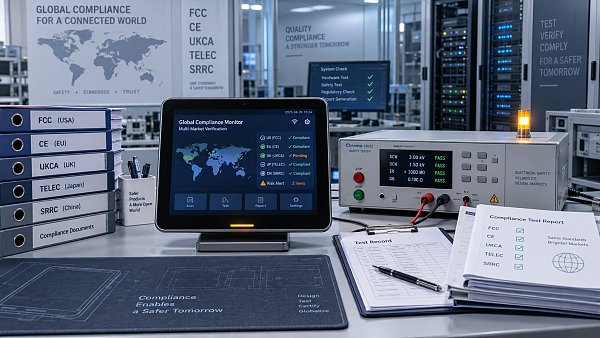
Standards such as ISO, IEC, PCI-DSS, and GDPR are no longer treated as background requirements. They are active filters in vendor selection, deployment planning, and expansion strategy.
Supply Chain Transparency now helps answer operational questions. Can this supplier support cross-border payment rules? Is this device certifiable in target markets? Does this service partner meet data governance expectations after rollout?
Where the pressure is strongest across industries
Not every sector experiences the same urgency in the same way. Still, several patterns are clear across the areas where digital services and hardware infrastructure converge.
Across these sectors, Supply Chain Transparency supports one common goal: turning fragmented vendor information into decision-grade operational insight.
Why the business case is broader than risk reduction
Risk reduction is still a major driver, but it is no longer the only one. Transparent supply networks also improve negotiation quality, deployment readiness, procurement timing, and market access planning.
When supplier capability, compliance readiness, and technical dependencies are visible early, organizations can avoid false savings. A lower unit cost can disappear quickly if certification fails or integration complexity was underestimated.
There is also a trust dimension. Buyers, partners, regulators, and institutional clients increasingly expect evidence, not just assurances. Supply Chain Transparency helps support claims with records, standards alignment, and monitored performance.
How to assess transparency in practical terms
A strong transparency program does not begin with collecting more documents. It begins with deciding which questions matter to operations, compliance, and strategic growth.
Several evaluation points usually separate usable visibility from surface-level disclosure:
- Whether supplier data is current enough to support live decisions.
- Whether tier-two and tier-three dependencies are visible.
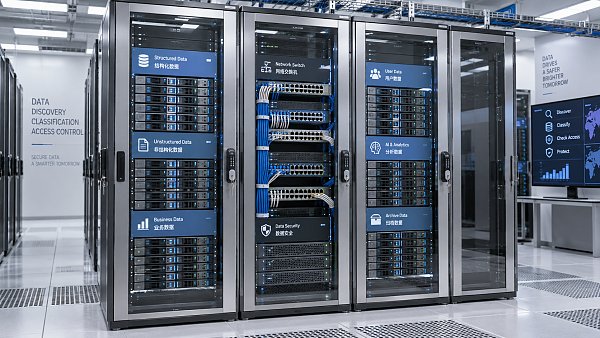
- Whether technical, financial, and compliance records can be connected.
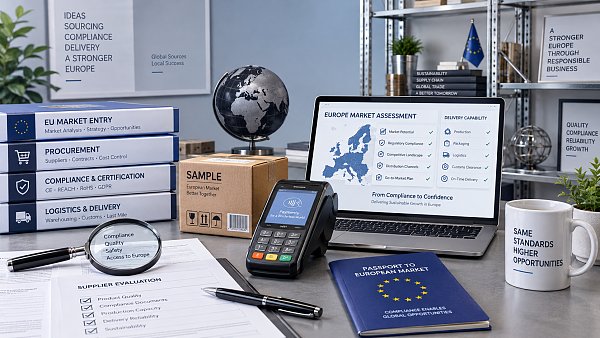
- Whether certifications are independently verifiable and market-specific.
- Whether exception alerts lead to action, not just archived reports.
This is also why integrated intelligence matters. In complex B2B environments, isolated data points rarely explain exposure on their own. Context makes transparency actionable.
What often gets missed during implementation
One common mistake is treating Supply Chain Transparency as a procurement-only project. In reality, it sits across sourcing, compliance, cybersecurity, finance, logistics, and product operations.
Another missed point is overvaluing volume of data. More records do not automatically create better insight. If signals are not prioritized, teams end up with noise instead of clarity.
There is also a tendency to focus on direct suppliers while overlooking service intermediaries. In cloud services, payments, and connected terminal deployments, third-party service layers can create just as much exposure as physical manufacturing sources.
The more mature approach is to align transparency efforts with material business outcomes: launch readiness, regulatory confidence, uptime, payment continuity, and reputation protection.
A practical direction for the next decision cycle
The most useful next step is not a broad promise to become more transparent. It is a focused review of where opacity creates the highest operational cost.
That review can start with a narrow scope: a payment workflow, a smart terminal rollout, a cloud dependency chain, or a certification path for a new market. From there, it becomes easier to identify which upstream data, standards checks, and supplier signals truly matter.
In 2026, Supply Chain Transparency is most valuable when it supports faster judgment, cleaner governance, and more reliable scaling. Organizations that treat transparency as a live intelligence capability, rather than a reporting exercise, are better positioned to respond when markets, rules, or supplier conditions change.
A disciplined comparison of vendors, technical dependencies, and compliance evidence is often the clearest place to begin. From there, transparency stops being a slogan and starts becoming a measurable advantage.
Tags
Recommended for You
 How to verify an industrial touch panel supplier is a manufacturerIndustrial Supplier Discovery touch panels guide: Verify factory operations, audit production, and check quality records to find a reliable manufacturer and reduce sourcing risks.Oct 25, 2026Lina Cloud
 OCC Issues Final GENIUS Act Rule Setting Payment Stablecoin FrameworkExplore the OCC’s final GENIUS Act rule for payment stablecoins, including issuer yield restrictions, key compliance questions and what businesses should review before January 2027.Oct 25, 2026Dr. Marcus Fin
 How to choose comparable companies for peer analysis in Latin AmericaPeer Analysis Latin America: Learn how to select comparable companies, assess country risk, and normalize financials to build a defensible peer group and make smarter valuation decisions.Oct 24, 2026Lina Cloud
 Queue Unveils Robotic Pharmacy Kiosk With Capacity for 340 MedicationsQueue’s robotic pharmacy kiosk holds up to 340 medications and offers a 30-second workflow with pill verification. Explore its potential benefits and key procurement considerations.Oct 24, 2026Dr. Hideo Tanaka
 How freight costs affect the delivered bulk ammonium sulfate priceCompare the bulk ammonium sulfate price beyond the plant gate. Discover how freight, handling, and delivery terms affect your total cost—and make smarter buying decisions.Oct 23, 2026Lina Cloud
 Millions of Attempts to Exploit Critical PHP Flaws Force Some Websites OfflineCritical PHP flaws reportedly triggered millions of exploit attempts and website outages. Explore patching priorities, supplier checks and continuity steps to protect online services.Oct 23, 2026Lina Cloud
 How to assess UV test data for tempered glass in outdoor displaysAssess outdoor display UV resistance data for tempered glass with confidence. Learn to compare test conditions, spot weak claims, and choose cover assemblies built for outdoor use.Oct 22, 2026Digital Signage
 Oracle Launches Fusion Claw-Based HR Agent ApplicationOracle’s Fusion Claw-based HR agent application targets complex workflow automation. Explore its potential for HR teams, customization options and key adoption considerations.Oct 22, 2026Lina Cloud
 How to size a dry-type floating fish feed extruder for daily outputSize a dry type floating fish feed extruder for your daily output. Learn to calculate throughput, account for moisture losses, and verify supplier capacity before you invest.Oct 21, 2026Lina Cloud
 SAP Named a Leader in 2026 Gartner Magic Quadrant for Cloud ERP FinanceSAP is named a Leader in the 2026 Gartner Magic Quadrant for Cloud ERP Finance. Explore what this recognition means for vendor evaluation and smarter cloud ERP procurement.Oct 21, 2026Lina Cloud
 How to review SDSs before buying high-temperature antioxidants in bulkPlanning high temperature antioxidants bulk purchases? Learn how to review SDSs, assess handling and thermal hazards, and uncover hidden costs before approving your next order.Oct 20, 2026Marcus Trust
 Illinois Digital Asset Kiosk Operators Refund Over $750,000 Under DAKAIllinois digital asset kiosk operators refund over $750,000 under DAKA. Explore scam refund protections, fee caps, and transaction limits—and learn what they mean for consumers.Oct 20, 2026Dr. Hideo Tanaka
 What capacity roller mill do you need for wheat flour production?Choose the right roller mill for wheat flour by matching capacity to output, extraction rate, and operating hours. Learn how to compare suppliers and avoid costly bottlenecks.Oct 19, 2026Lina Cloud
 How does the required frequency range affect EMC testing costs?EMC test frequency range cost depends on equipment, test methods, and product complexity. Learn how to compare lab quotes, avoid hidden charges, and budget smarter.Oct 18, 2026Marcus Trust
 How digital classrooms shape the education infrastructure marketEducation Infrastructure market analysis reveals how digital classrooms reshape spending on connectivity, software, and support. Explore growth opportunities and smarter investment decisions.Oct 17, 2026Lina Cloud
 How to verify the safe load capacity of HDPE aquaculture modulesVerify the safe load capacity of HDPE aquaculture modules with practical guidance on buoyancy, stability, connections, and long-term performance. Learn what to check before approving loads.Oct 16, 2026Marcus Trust
 How to choose a target country for market penetration in EuropePlan Market Penetration in Europe with confidence. Learn how to compare demand, regulations, competition, and delivery costs to choose the right country for sustainable growth.Oct 15, 2026Lina Cloud
 ISO/IEC 27001:2026 Officially Published for Information Security ManagementISO/IEC 27001:2026: Explore the reported update for cloud CRM, payment gateways and AI-ERP. Discover what to verify before planning certification and procurement changes.Oct 15, 2026Marcus Trust
 How to verify food-grade compliance for wholesale locust bean gumEvaluating locust bean gum wholesale suppliers? Learn how to verify food-grade compliance, check batch reports, and confirm traceability to reduce sourcing risks and buy with confidence.Oct 14, 2026Marcus Trust
 Multi-Jurisdictional Compliance Software: Handling Conflicting RequirementsMulti-jurisdictional compliance software helps teams manage conflicting rules, track decisions, and align controls. Discover practical ways to reduce cross-border launch risks.Oct 23, 2026Marcus Trust
 From Regulatory Updates to Alerts: Multi-Jurisdiction Compliance MonitoringExplore multi-jurisdiction compliance monitoring solutions to turn regulatory updates into actionable alerts, assign clear ownership, and track deadlines and evidence across markets.Oct 22, 2026Marcus Trust
 Data Integrity Compliance Software: Audit Trails, Validation, and Access ControlsEvaluate data integrity compliance software with expert guidance on audit trails, validation, and access controls. Learn what to test before choosing a solution that protects critical records.Oct 21, 2026Marcus Trust
 Data Compliance Tools Explained: Discovery, Classification, and Policy ChecksExplore data compliance tools for discovery, classification, and policy checks. Learn how to assess coverage, validate findings, and choose tools that turn insights into action.Oct 20, 2026Marcus Trust
 What Drives Data Compliance Software Costs Beyond the License Fee?Explore data compliance software costs beyond the license fee, from integrations and training to usage charges. Uncover hidden expenses and compare vendors with confidence.Oct 19, 2026Marcus Trust
 Privacy Software for Compliance Officers: Streamlining Assessments and ApprovalsExplore privacy software for compliance officers to streamline assessments, connect evidence, and track approval conditions. Learn how to reduce review delays and keep decisions audit-ready.Oct 18, 2026Marcus Trust
 Evaluating Privacy Risk Management Software: Scoring and Remediation WorkflowsEvaluate privacy risk management software with practical tests for transparent scoring, accountable remediation, and verified risk reduction. Discover how to choose a platform you can trust.Oct 17, 2026Marcus Trust
 DSAR Compliance Software: Resolving Identity Checks and Missed DeadlinesDSAR compliance software helps streamline identity checks, track legal deadlines, and unblock stalled requests. Discover practical ways to reduce delays and build auditable workflows.Oct 16, 2026Marcus Trust
 Best Enterprise Tools for Cross-Border Video Privacy: What to CompareCompare the best enterprise tools for cross-border video privacy compliance. Explore data residency, access controls, redaction, and retention to choose the right solution.Oct 15, 2026Marcus Trust
 Which Privacy Platforms Support GDPR, CCPA, and Cross-Jurisdiction Workflows?Which privacy platforms support cross-jurisdiction compliance? Compare GDPR and CCPA workflows, data discovery, and audit evidence to shortlist the right solution.Oct 14, 2026Marcus Trust
 Which certifications matter when buying education hardware globally?Which certifications matter when buying education hardware internationally? Explore CE, FCC, safety and sustainability requirements to verify compliance and buy with confidence.Oct 23, 2026Marcus Trust
 What evidence shows an EdTech supplier can provide long-term support?What evidence proves an EdTech supplier can deliver long-term support? Explore service records, SLAs, financial resilience, security updates, and exit plans to choose with confidence.Oct 22, 2026Lina Cloud
 How can procurement analytics reduce school project risk?How can procurement analytics reduce school project risk? Discover how to uncover hidden costs, assess suppliers, protect student data, and keep classroom projects on track.Oct 21, 2026Lina Cloud
 Can a school payment system handle cross-border payments?Can a school payment system handle cross-border payments? Explore currency support, fees, settlement, and compliance checks to choose a solution that simplifies international tuition collection.Oct 20, 2026Dr. Marcus Fin
 What should schools check before choosing a payment gateway?What should schools check before choosing a payment gateway? Discover key security, integration, fee, and settlement checks to simplify collections and choose with confidence.Oct 19, 2026Dr. Marcus Fin
 Does PCI DSS apply when schools accept online payments?Is PCI-DSS relevant when schools accept online payments? Learn how to reduce compliance scope, choose the right SAQ, and verify payment providers to protect your school.Oct 18, 2026Dr. Marcus Fin
 How do you create a regional compliance map for EdTech?How do we create a regional compliance map for EdTech? Explore practical steps to map privacy rules, data flows, accessibility, and launch controls for confident regional expansion.Oct 17, 2026Marcus Trust
 What data privacy risks are common in interactive classrooms?Which data privacy risks are common in interactive classrooms? Explore tracking, weak access controls, and AI data reuse—and learn practical ways to protect students.Oct 16, 2026Lina Cloud
 How often should smart terminals receive security updates?How often should smart terminals receive security updates? Discover practical patch schedules, urgent threat priorities, and safe rollout strategies to protect devices and reduce downtime.Oct 15, 2026Lina Cloud
 What happens to school data when a cloud contract ends?What happens to school data when a cloud contract ends? Learn how to secure usable exports, manage access deadlines, and verify deletion to protect student records and avoid costly exit risks.Oct 14, 2026Professor Sarah Ed
 How Can Buyers Assess Smart Terminal Compatibility Before Purchase?How do we assess smart terminal compatibility before purchase? Discover practical software, peripheral, payment, and security checks to avoid costly integration surprises.Oct 25, 2026Dr. Hideo Tanaka