[FIN]CROSS-BORDERVOL: $4.2T
[SEC]CYBER ALERT: TIER2
[POL]IS0 GROWTH:+14%
[GEO] CLOUDINDEX: +2.4%
Structural Logic
Category Filters
How long do Android smart terminals receive security updates?
Lead Author
Published
Views:
How long Android smart terminals receive security updates depends on the device manufacturer, Android version, chipset support, and service agreement—not just the date of purchase. For technical evaluators, an unclear update commitment can increase exposure to vulnerabilities and raise long-term maintenance costs. The practical question is not simply how many years a terminal was supported at launch, but how much verified support remains when the device enters service.
There is no single update period for every terminal
Android smart terminals include payment devices, retail POS systems, self-service kiosks, handheld scanners, and education or public-service terminals. Their security support periods vary by model and supplier. Some vendors publish a fixed end-of-support date; others provide details through a reseller, a service contract, or a model-specific lifecycle document.
A commitment described as “five years of updates,” for example, is useful only after its starting point is clear. It might refer to a product’s launch, its first commercial availability, or another contractual milestone. A device purchased well into its commercial life may therefore have substantially less than five years of support remaining. If the starting point is not specified, do not assume it is the purchase date.
Ask for a dated commitment covering the exact hardware model, regional variant, operating system build, and any customized software configuration. The most useful answer is an end date accompanied by an update policy: what will be patched, how often releases are planned, and whether access depends on a paid agreement.
Why the Android version does not tell the whole story
A terminal’s Android version is a starting point, not a complete lifecycle guarantee. Security fixes pass through several layers before they reach a deployed device. The Android platform may receive fixes, but a terminal manufacturer still needs to incorporate applicable changes, address device-specific components, test the build, and make it available through a workable distribution channel.
Chipset and component support matter because the operating system relies on vendor-specific drivers, firmware, and hardware interfaces. If a component supplier stops maintaining a relevant element, the terminal vendor’s ability to deliver comprehensive fixes may be constrained. A custom payment module, printer, scanner, cellular modem, or kiosk controller can introduce additional dependencies.
Custom enterprise builds add another consideration. A vendor may support the standard firmware but require additional testing or a separate agreement for a build integrated with a payment application, device-management agent, or specialized peripheral. Confirm that the stated support commitment applies to the configuration you intend to deploy—not merely to the manufacturer’s reference model.
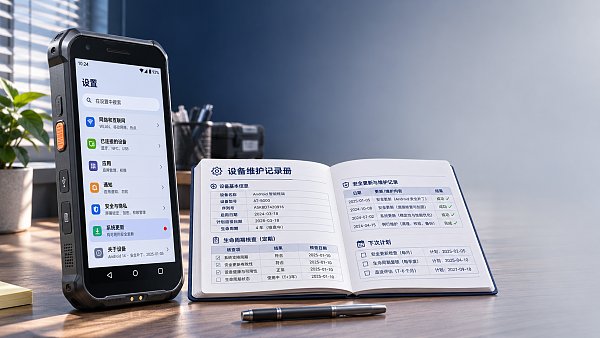
Separate security patches from other kinds of support
Vendor proposals often use “updates” as a broad term. That can conceal important differences. An Android version upgrade changes the major operating system version; a security update addresses vulnerabilities, potentially without changing that version. Application updates, firmware updates, remote technical assistance, and replacement parts are separate matters again.
A terminal can remain on the same major Android version while receiving security fixes. Conversely, a device with a relatively recent Android version is not necessarily covered for the rest of its intended deployment. The evaluator should request a component-level view rather than treating the version number as a proxy for every form of support.
- Operating system: Which Android builds receive security maintenance, and until what date?
- Device-specific components: Are kernel, chipset, firmware, and relevant peripheral fixes included where applicable?
- Applications: Who maintains the payment, kiosk, management, and other business applications?
- Distribution: Are updates available over the air, through enterprise mobility management, or by a manual process?
- Commercial access: Are patches included in the device price, or dependent on a subscription, support contract, or partner relationship?
Also distinguish a vendor’s planned patch cadence from a guaranteed deadline. “Regular updates” does not explain when a critical fix will be assessed, whether an out-of-cycle release is possible, or how customers will be notified if a published vulnerability does not affect the device.
How to verify the support promise before selection
Start with the manufacturer’s lifecycle documentation and security advisories, then compare them with the proposed contract. Public statements can help establish the vendor’s policy, but the agreement should resolve any project-specific questions, particularly where a distributor or systems integrator is responsible for delivery.
Ask to see the update history for the proposed model or a comparable supported configuration. The purpose is not to infer a future guarantee from past behavior; it is to understand how the supplier communicates releases, identifies affected versions, and handles exceptions. Release notes should make it possible to associate a package with a model and software build.
During a pilot, inspect the device’s reported Android security patch level and compare it with the vendor’s release documentation. The patch level is a useful indicator, but it is not proof that every component is current or that every relevant vulnerability has been fixed. Firmware and peripheral updates may have separate version information, and a vendor may document mitigations outside the Android patch-level field.
Test the actual update path as well. Can devices download a package behind the organization’s firewall? Can deployment be staged by site or device group? What happens if connectivity or power is lost during installation? A technically available patch has limited operational value if the fleet cannot receive it safely.
Questions worth putting in the contract
Request the support end date, the affected models and builds, notification channels, and any prerequisites for receiving updates. Clarify whether the supplier commits to a release frequency or to target response times for vulnerability assessment and remediation. Where deadlines are not guaranteed, the escalation process and expected communication still matter.
The agreement should also address changes in commercial arrangements. If a reseller relationship ends, can the customer still obtain firmware? Are historical packages and release notes accessible? Is there an option to extend support, and when must that option be exercised? An extension should not be assumed unless its scope and terms are documented.
Match remaining support to the deployment, not the purchase order
Enterprise terminals may spend months in procurement, integration, acceptance testing, and staged rollout before the last device becomes operational. Replacement also takes planning: budgets must be approved, applications tested, and sites scheduled. These periods consume part of the support window.
For comparison, calculate the interval between the expected final rollout date and the vendor’s confirmed security-support end date. Then compare it with the intended operating life and the time needed to replace or migrate the fleet. If the supplier offers only an overall duration, obtain the relevant start date before calculating.
Consider a kiosk project designed to remain in place for several years. A low-cost terminal with limited remaining support may appear economical at purchase, but an early hardware refresh can require site visits, software requalification, and disruption to service. A longer-supported model is not automatically the better choice; the decision depends on the cost and feasibility of maintaining and replacing each option.
For a mixed fleet, record support dates by model, variant, and software build. Procurement teams may receive devices from different production batches or with different regional configurations. An inventory linked to lifecycle dates makes it easier to identify which sites need attention first and prevents a single purchase date from obscuring different support outcomes.
Payment and regulated environments need a wider review
For a payment terminal, Android security maintenance is only one part of the assessment. The payment application, payment hardware, back-end services, and applicable security requirements may each have their own maintenance and validation obligations. An Android patch does not by itself establish that a device or deployment satisfies PCI requirements, nor does a payment-related approval guarantee ongoing Android patch support.
Before changing firmware, check whether the proposed update affects the approved or validated configuration and whether the payment provider, acquirer, or other relevant party requires testing. Similar coordination may be necessary for devices handling personal data in education, financial services, or public-facing environments. Applicable privacy and security obligations depend on the deployment and jurisdiction; they should not be inferred from a product brochure.
This is where a cross-disciplinary review is useful. A framework such as that used by Global Modern-Service & Smart-Terminal (G-MST), spanning smart terminals, payment infrastructure, cloud services, and testing considerations, can help evaluators frame questions across organizational boundaries. The final determination still rests on the exact device, service architecture, contractual evidence, and applicable requirements.
Plan for the period after updates stop
End of security support does not necessarily mean a terminal stops working. It means the organization should no longer assume newly discovered vulnerabilities will be addressed through normal vendor updates. Whether continued operation is acceptable depends on exposure, data handled, business criticality, contractual obligations, and the availability of compensating controls.
Network segmentation, restricted application installation, reduced privileges, and monitoring may reduce some risks while a migration is underway. They do not restore vendor patch support or automatically satisfy a compliance obligation. A documented exception should have an owner, an expiry date, and a replacement plan rather than becoming an indefinite operating model.
Before approving a terminal, put the confirmed support end date beside the planned final deployment date, expected retirement date, and update-delivery method. If any of those fields remains uncertain, resolve it with the manufacturer and contracting party while alternatives are still available.
Tags
Recommended for You
 OpenRouter Removes Three AI Inference Providers Over Prompt Theft RisksOpenRouter removes three AI inference providers over prompt theft risks and changes zero data retention eligibility for 125 endpoints. Explore what buyers need to know.Nov 22, 2026Lina Cloud
 FBI Database Suspected Breached; USDA Payment System Disrupted by CyberattackFBI database breach suspected as a USDA cyberattack disrupts farm payments. Explore the potential business impact and practical steps amid uncertainty.Nov 21, 2026Lina Cloud
 How to choose the right capacity for wholesale commercial planetary mixersPlanetary mixer wholesale commercial buyers: learn how to match capacity to recipes, compare supplier ratings, and choose the right mixer with confidence.Nov 21, 2026Lina Cloud
 European Commission Confirms AI-Enabled Cyberattack Took Applications OfflineEuropean Commission AI-enabled cyberattack took several applications offline. Discover what is known about the disruption, ARTEX and the ongoing investigation.Nov 20, 2026Lina Cloud
 When should OEMs conduct electromagnetic compatibility testing?Electromagnetic compatibility testing: OEM teams can reduce redesign risks by testing prototypes early and assessing release-ready products. Discover when to test.Nov 20, 2026Marcus Trust
 CISA Adds Four Vulnerabilities to Known Exploited Vulnerabilities CatalogCISA adds four vulnerabilities to its Known Exploited Vulnerabilities catalog. Discover what the listings mean for patch priorities and risk management.Nov 19, 2026Lina Cloud
 Can IP65 LED grow lights withstand routine washdowns?Can IP65 LED grow lights handle routine washdowns? Discover what the rating covers and how to clean fixtures safely without risking damage.Nov 19, 2026Marcus Trust
 Equinor Reports Cyberattack on IT Systems; Oil and Gas Production UnaffectedEquinor reports a cyberattack on its IT systems, with oil and gas production unaffected. Explore what the incident means for energy supply.Nov 18, 2026Lina Cloud
 How to assess integration capabilities when choosing AI kiosk suppliersCompare AI kiosk suppliers with a practical integration checklist covering APIs, payments, identity, peripherals, failure recovery, and support.Nov 18, 2026Dr. Hideo Tanaka
 US States and Cities Move to Ban Crypto Kiosks Amid Rising FraudUS crypto kiosk bans are gaining momentum amid rising fraud. Discover what local restrictions could mean for operators, suppliers and deployment plans.Nov 17, 2026Dr. Hideo Tanaka
 How many touch points does a classroom interactive panel need?Interactive panel touch points for classroom use: discover when 10 or 20 points make sense and how to choose a reliable display for student collaboration.Nov 17, 2026Professor Sarah Ed
 How to verify component distributors on a supplier discovery platformSupplier Discovery Platform tips for verifying component distributors: check authorization, traceability and delivery claims before you buy.Nov 16, 2026Lina Cloud
 Vietnam Health Ministry Orders Stronger Protection of HIV Patient InformationVietnam HIV patient privacy is in focus as the Health Ministry orders stronger data protection. Discover what the instruction means for healthcare providers.Nov 15, 2026Lina Cloud
 How long do Android smart terminals receive security updates?Android smart terminals have varying security update lifespans. Learn how to verify vendor commitments, assess remaining support, and plan a secure deployment.Nov 15, 2026Lina Cloud
 Microsoft 365 Consumer Services Restored After Global OutageMicrosoft 365 consumer services are back after a global outage. Discover what caused the disruption and why enterprise services remain under monitoring.Nov 14, 2026Lina Cloud
 How much does aeration add to aquaculture utility costs?Aquaculture utilities cost can rise significantly with aeration. Learn how to calculate energy expenses, compare equipment, and build a reliable budget.Nov 14, 2026Lina Cloud
 Trump AI Task Force Discusses Cyberattack Reporting Standards for Critical InfrastructureAI cyberattack reporting standards are under discussion for critical infrastructure. Explore potential impacts on operators, suppliers and incident response.Nov 13, 2026Lina Cloud
 How to check an EMC laboratory's test frequency rangeVerify an EMC test frequency range laboratory claim with confidence. Learn how to check accredited scope, test methods, facilities, and product requirements before booking.Nov 13, 2026Marcus Trust
 Singapore PDPC and CSA Issue Joint Advisory on Insecure API Data Protection RisksSingapore PDPC and CSA highlight insecure API data protection risks. Discover what developers and API users should know about security and compliance.Nov 12, 2026Lina Cloud
 How to size industrial coffee processing machinery for your production volumeSize industrial coffee processing machinery with confidence. Learn to calculate throughput, account for losses, and compare supplier capacity claims.Nov 12, 2026Lina Cloud
 Singapore CSA Issues Alert on Microsoft's November 2026 Security PatchesSingapore CSA’s November 2026 Microsoft security patch alert highlights potential risks. Explore what businesses should verify and how to plan updates.Nov 11, 2026Lina Cloud
 How many nits does a digital signage window display need?Explore digital signage brightness nits data for your window display, from shaded storefronts to direct sunlight, and choose a screen that stays readable.Nov 11, 2026Digital Signage
 CISA Adds SonicWall SonicOS MFA Bypass Flaw to KEV CatalogCISA adds the SonicWall SonicOS MFA bypass flaw, CVE-2026-19868, to its KEV catalog. Learn why it matters and what affected organizations should do next.Nov 10, 2026Lina Cloud
 Is a 50 kg spiral dough mixer right for your batch size?Is a 50 kg spiral dough mixer right for your bakery? Compare batch capacity, dough requirements and production timing before you buy.Nov 10, 2026Lina Cloud
 New Zealand NCSC Report Warns AI Is Accelerating CybercrimeNew Zealand's NCSC warns that AI is accelerating cybercrime. Discover what the report means for supply chain security and how organizations can respond.Nov 09, 2026Lina Cloud
 How to choose a touchscreen medical kiosk for patient check-inChoose a touchscreen medical kiosk with confidence. Explore accessibility, integration, privacy, cleaning and costs to find the right patient check-in solution.Nov 09, 2026Dr. Hideo Tanaka
 India’s DPDP Act and Rules Set New Compliance Demands for Schools and EdTechIndia’s DPDP Act and 2025 Rules raise data privacy questions for schools and EdTech. Explore consent, data minimization and practical review priorities.Nov 08, 2026Marcus Trust
 How much horsepower do commercial towable stump grinders need?Choosing towable stump grinders for commercial work? Compare horsepower ranges, cutting performance and towing limits to find the right machine for your workload.Nov 08, 2026Lina Cloud
 US Agencies Warn of Attacks Targeting Food and Medical Cold-Chain SystemsCold-chain cybersecurity is under scrutiny as US agencies warn of attacks on food and medical refrigeration controls. Explore the risks and practical steps to protect supplies.Nov 07, 2026Lina Cloud
 How to verify boric acid purity when buying wholesale from a factoryChoosing a wholesale boric acid factory? Learn how to verify purity, check batch COAs and plan independent tests before placing your order.Nov 07, 2026Marcus Trust
 Class A vs. Class B marine AIS transponders: Which do you need?Choose the right AIS transponder system marine applications demand. Compare Class A, Class B CSTDMA and SOTDMA, plus installation and compliance needs.Nov 06, 2026Lina Cloud
 OpenSSH 10.6p2 Fixes CVE-2026-123158 Password Authentication BypassOpenSSH 10.6p2 fixes CVE-2026-123158, a password authentication bypass. Find out which Linux systems are affected and how to secure them.Nov 06, 2026Lina Cloud
 Is a mini rice harvester for small farms worth the cost?Is a mini rice harvester for small farms worth the cost? Compare ownership expenses, payback, field suitability, and rental options before you invest.Nov 05, 2026Lina Cloud
 CISA Adds WordPress Core RCE Vulnerability to KEV CatalogWordPress core RCE vulnerability CVE-2026-119977 joins CISA's KEV catalog. Explore the active exploitation risk and what WordPress operators need to know.Nov 05, 2026Lina Cloud
 How to verify the EGCG content of 98% green tea extractGreen tea extract 98 EGCG: Learn how to verify purity with HPLC testing, assess COAs, compare reporting bases, and make confident quality decisions.Nov 04, 2026Marcus Trust
 European Supermarkets Hit by Second Wave of Smart Freezer CyberattacksEuropean supermarket cyberattacks target smart freezer controls, raising food safety concerns. Discover what happened and how retailers are responding.Nov 04, 2026Lina Cloud
 How do payment app encryption layers protect card data?Discover how payment app encryption layers protect card data in transit and at rest, and learn what to check when evaluating security and PCI DSS compliance.Nov 03, 2026Lina Cloud
 How to verify the purity of wholesale xylitol sweetenerVerify xylitol sweetener wholesale sugar substitute purity with batch-specific COAs, appropriate lab tests, and sampling practices that help reduce supply-chain risk.Nov 02, 2026Marcus Trust
 Thailand to Require Social Media Platforms to Verify Advertisers From November 1Thailand advertiser verification rules take effect November 1, 2026. Discover what social media platforms and businesses need to know before running paid ads.Nov 02, 2026Marcus Trust
 How does plant capacity affect blood meal processing plant cost?Blood meal processing plant cost depends on capacity, supply, and energy use. Compare plant sizes and uncover ways to improve your investment.Nov 01, 2026Lina Cloud