[FIN]CROSS-BORDERVOL: $4.2T
[SEC]CYBER ALERT: TIER2
[POL]IS0 GROWTH:+14%
[GEO] CLOUDINDEX: +2.4%
Structural Logic
Category Filters
Aquaculture & Fishery Trends Reshaping Supply in 2026
Lead Author
Published
Views:
Aquaculture & Fishery is entering a decisive phase in 2026, as supply chains face new pressures from sustainability mandates, digital monitoring, trade volatility, and shifting consumption patterns. For business decision-makers, understanding these trends is essential to securing resilient sourcing, improving compliance, and capturing emerging market opportunities across the global seafood value chain.
For enterprise leaders, the core question is no longer whether Aquaculture & Fishery will change, but how quickly supply structures, cost drivers, and compliance expectations will shift in major markets. In 2026, seafood availability will be shaped less by simple catch volume and more by production technology, traceability systems, certification readiness, feed economics, and policy risk.
The strongest commercial signal is clear: aquaculture is becoming the primary stabilizer of seafood supply, while traditional fishery models face tighter environmental controls, labor shortages, and greater climate exposure. Companies that rely on seafood sourcing, processing, cold chain logistics, foodservice procurement, retail private label, or cross-border distribution should prepare for a more data-intensive and segmented market.
This article focuses on the practical concerns business decision-makers actually need answered: where supply is becoming more reliable, where risk is increasing, what regulations may affect procurement, and how digital tools are changing supplier evaluation. Rather than covering the sector broadly, it prioritizes the trends most relevant to investment, sourcing strategy, operational resilience, and commercial planning in 2026.
Why 2026 Matters for Aquaculture & Fishery Supply Planning
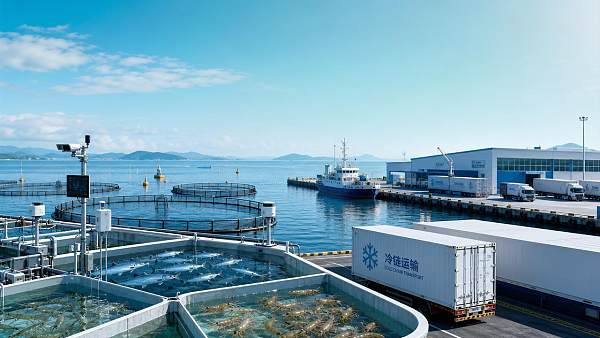
2026 is shaping up as a strategic inflection point because several long-building pressures are converging at once. Climate variability is affecting wild catch predictability, regulators are tightening reporting requirements, and buyers are demanding verifiable sustainability claims instead of generic assurances.
At the same time, aquaculture producers are scaling new production models, including recirculating systems, offshore farming, precision feeding, and sensor-based health monitoring. These technologies do not eliminate risk, but they can improve output stability, reduce waste, and support more consistent delivery performance.
For corporate buyers, this changes procurement logic. Historical relationships and price-based sourcing remain important, but they are no longer sufficient. In many categories, supply security now depends on a supplier’s ability to prove origin, demonstrate biosecurity controls, and maintain compliance with market-specific standards.
Another reason 2026 matters is the widening split between premium, traceable seafood and lower-visibility commodity supply. Brands, retailers, and institutional buyers increasingly prefer partners that can support audits, digital documentation, and environmental reporting. Suppliers unable to meet these expectations may still sell volume, but often at lower margins and higher risk.
How Aquaculture Is Becoming the Main Engine of Supply Growth
Aquaculture continues to account for most incremental seafood supply growth worldwide. For many species, farmed output is no longer a substitute to wild catch; it is the baseline source of volume continuity. This is especially important for buyers that need forecastable lead times and contractual fulfillment.
Species diversification is one of the sector’s biggest strategic developments. Salmon, shrimp, tilapia, and pangasius remain central, but growth is also emerging in seabass, seabream, mussels, seaweed-linked integrated systems, and regionally adapted freshwater species. This can create more sourcing options and reduce concentration risk.
Feed innovation is another major trend reshaping Aquaculture & Fishery economics. Producers are under pressure to reduce dependence on traditional fishmeal and fish oil inputs. Alternative proteins, algae-based ingredients, insect meal, and more efficient feed conversion strategies are improving sustainability profiles and potentially reducing exposure to volatile marine feed markets.
However, expansion does not automatically mean lower risk. Aquaculture operations still face disease outbreaks, licensing uncertainty, water quality issues, and local community scrutiny. Decision-makers should distinguish between producers growing fast and producers growing with operational discipline, audited systems, and export-grade compliance capabilities.
In practical terms, the aquaculture winners of 2026 are likely to be those that combine biological performance with digital transparency. For buyers, that means supplier assessment should include farming technology, disease management protocols, certification status, harvest predictability, and logistics execution, not just annual production capacity.
Why Wild Fishery Supply Will Remain Important but More Volatile
Wild-capture fisheries will remain essential for many species and regional economies, but they are becoming harder to treat as a stable supply base. Climate-driven stock movement, stricter quota management, and geopolitical disputes over fishing access are increasing uncertainty in both harvest volumes and trade flows.
For some buyers, fishery products still offer strong value, product differentiation, and consumer trust, especially where wild origin is associated with premium quality. Yet procurement teams should expect wider swings in availability, landing schedules, and pricing compared with more controlled aquaculture supply chains.
Illegal, unreported, and unregulated fishing also remains a major business concern. Even companies not directly sourcing from high-risk jurisdictions can face reputational and regulatory exposure if upstream documentation is weak. This makes robust chain-of-custody verification increasingly important.
Another challenge is labor and fleet modernization. In several fishing regions, aging vessels, rising fuel costs, crew shortages, and safety compliance burdens are limiting capacity. The long-term impact is that some wild fisheries may become less efficient, less scalable, or more expensive to maintain as core sourcing channels.
For enterprise decision-makers, the best response is not to abandon fishery sourcing, but to segment it carefully. High-value wild products may remain commercially attractive, but they should be supported by stronger contract design, inventory buffers, and documented traceability controls.
What Sustainability and Compliance Demands Mean for Buyers in 2026
Sustainability is no longer a marketing layer added after sourcing decisions. In 2026, it is becoming a direct operational factor in market access, supplier approval, financing conditions, and customer retention. The commercial question is not whether sustainability matters, but how it will be verified.
Major import markets are increasing scrutiny on origin data, labor standards, environmental impact, and anti-IUU controls. Buyers serving retail, hospitality, food manufacturing, or public procurement channels should assume that documentation requests will continue to expand, not decline.
This creates a new burden for supplier selection. Decision-makers need to know whether partners can support digital traceability, maintain recognized certifications where relevant, and respond quickly to audit or customs inquiries. A low-cost supplier without documentation capacity may create far greater hidden cost later.
Carbon reporting is also moving closer to seafood trade. While product-level emissions accounting is still inconsistent across markets, more buyers are asking for logistics emissions data, feed-related sustainability metrics, and evidence of environmental improvement plans. Companies that prepare early will have stronger negotiating positions.
Importantly, compliance should not be viewed only as a defensive measure. It can also improve commercial differentiation. Buyers that build traceable, lower-risk seafood portfolios may gain access to premium retail programs, institutional tenders, and multinational accounts with stricter procurement standards.
How Digital Monitoring Is Changing Aquaculture & Fishery Decisions
Digitalization is becoming one of the most decisive trends in Aquaculture & Fishery, not because technology is fashionable, but because it reduces uncertainty. Sensors, satellite tracking, farm management software, e-documentation, and AI-supported forecasting are improving visibility across fragmented supply chains.
In aquaculture, digital tools can monitor oxygen, temperature, feeding behavior, biomass growth, and disease indicators in near real time. This helps producers improve survival rates and reduce unnecessary feed costs. For buyers, such systems can signal whether a supplier is likely to deliver stable output.
In fisheries, vessel tracking, electronic logbooks, and digital catch documentation are strengthening compliance and chain-of-custody verification. These tools are particularly valuable where regulatory agencies and importers require proof of legal harvest and documented movement through processing and export stages.
From a B2B perspective, the rise of digital monitoring means supplier evaluation should become more evidence-based. Procurement teams should ask not only what data suppliers collect, but how that data is validated, stored, shared, and integrated into quality assurance and regulatory response processes.
This is where broader smart-terminal and digital-service ecosystems also matter. Inspection interfaces, handheld audit tools, cloud-based traceability dashboards, and cross-border compliance platforms can improve coordination between farms, processors, laboratories, logistics providers, and importers. Better data flow increasingly translates into better supply resilience.
Which Market Forces Will Most Affect Pricing and Trade Flows
Price formation in 2026 will depend on more than harvest volume. Feed costs, energy prices, freight conditions, labor availability, exchange rates, and tariff changes all influence final seafood pricing. For executives, this means procurement volatility can no longer be explained by seasonal output alone.
Regionalization is another major force. Companies are reassessing whether to rely on distant, low-cost origins or build more diversified regional supply networks. Nearshoring will not replace global trade, but it may become more attractive in categories where speed, freshness, or regulatory responsiveness matter.
Consumer demand is also fragmenting. In some markets, affordability remains the main driver, favoring efficient frozen and processed products. In others, health, sustainability, and convenience are increasing demand for value-added seafood with documented provenance. This affects what kind of supply capacity becomes most profitable.
Trade policy risk remains significant. Export restrictions, sanitary barriers, sanctions, customs delays, and bilateral disputes can all interrupt seafood flows with little warning. Decision-makers should map exposure not just by country of origin, but by route, processing node, and certification dependency.
As a result, businesses should expect 2026 to reward supply chain flexibility more than pure scale. The strongest organizations will be those able to shift between approved origins, maintain product specification consistency, and communicate compliance readiness quickly to customers and authorities.
What Enterprise Decision-Makers Should Do Now
First, review sourcing concentration by species, geography, and supplier tier. If too much volume depends on one farming region, one fishery jurisdiction, or one processor, the company may be carrying more hidden risk than current prices suggest.
Second, strengthen supplier due diligence frameworks. Beyond product quality and cost, assessments should cover traceability systems, certification status, digital documentation capability, biosecurity practices, labor compliance, and responsiveness during regulatory checks or logistics disruptions.
Third, build a tiered sourcing strategy. Core supply should come from stable, auditable partners with strong compliance records. Opportunistic or seasonal sourcing can still play a role, but it should not carry critical fulfillment obligations unless contingency plans are in place.
Fourth, invest in data visibility. This does not always require a full platform transformation at once. Even targeted improvements in digital record exchange, audit management, shipment tracking, and supplier performance dashboards can materially improve seafood procurement decisions.
Fifth, align commercial and compliance teams earlier. In many organizations, sustainability, sourcing, legal, and operations still work in parallel rather than together. In 2026, integrated decision-making will be essential because price, risk, certification, and customer expectations are increasingly interconnected.
Conclusion: The Winning Supply Strategy in 2026
The biggest shift in Aquaculture & Fishery for 2026 is that supply reliability is becoming a function of technology, compliance, and transparency as much as biological production. Aquaculture will likely drive most growth, while wild fisheries remain valuable but more variable.
For business decision-makers, the most effective response is not to chase volume blindly or focus only on price. It is to build a sourcing model that balances resilience, traceability, cost control, and market-fit product positioning across multiple origins and supplier types.
Companies that understand these trends early will be better positioned to secure stable seafood supply, meet rising buyer and regulatory expectations, and protect margins in a more demanding global market. In 2026, informed procurement will be a competitive advantage, not just a back-office function.
Tags
Recommended for You
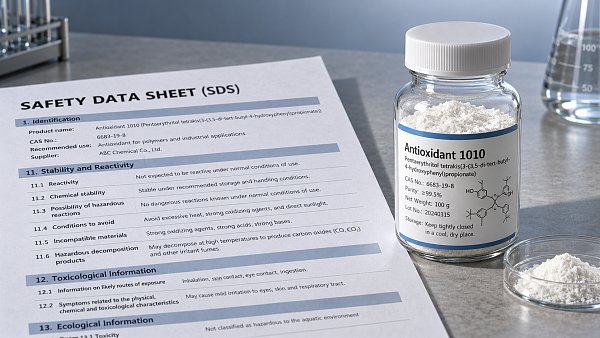
 How to review SDSs before buying high-temperature antioxidants in bulkPlanning high temperature antioxidants bulk purchases? Learn how to review SDSs, assess handling and thermal hazards, and uncover hidden costs before approving your next order.Oct 20, 2026Marcus Trust
 Illinois Digital Asset Kiosk Operators Refund Over $750,000 Under DAKAIllinois digital asset kiosk operators refund over $750,000 under DAKA. Explore scam refund protections, fee caps, and transaction limits—and learn what they mean for consumers.Oct 20, 2026Dr. Hideo Tanaka
 What capacity roller mill do you need for wheat flour production?Choose the right roller mill for wheat flour by matching capacity to output, extraction rate, and operating hours. Learn how to compare suppliers and avoid costly bottlenecks.Oct 19, 2026Lina Cloud
 How does the required frequency range affect EMC testing costs?EMC test frequency range cost depends on equipment, test methods, and product complexity. Learn how to compare lab quotes, avoid hidden charges, and budget smarter.Oct 18, 2026Marcus Trust
 How digital classrooms shape the education infrastructure marketEducation Infrastructure market analysis reveals how digital classrooms reshape spending on connectivity, software, and support. Explore growth opportunities and smarter investment decisions.Oct 17, 2026Lina Cloud
 How to verify the safe load capacity of HDPE aquaculture modulesVerify the safe load capacity of HDPE aquaculture modules with practical guidance on buoyancy, stability, connections, and long-term performance. Learn what to check before approving loads.Oct 16, 2026Marcus Trust
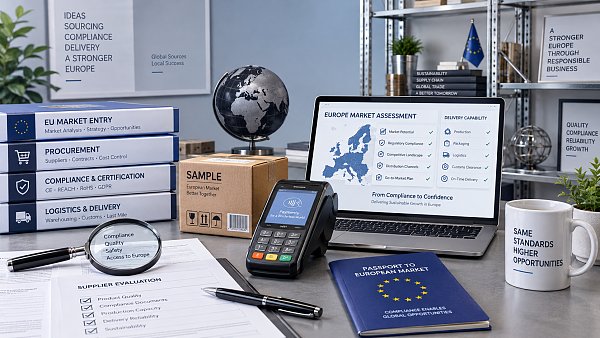
 How to choose a target country for market penetration in EuropePlan Market Penetration in Europe with confidence. Learn how to compare demand, regulations, competition, and delivery costs to choose the right country for sustainable growth.Oct 15, 2026Lina Cloud
 ISO/IEC 27001:2026 Officially Published for Information Security ManagementISO/IEC 27001:2026: Explore the reported update for cloud CRM, payment gateways and AI-ERP. Discover what to verify before planning certification and procurement changes.Oct 15, 2026Marcus Trust
 How to verify food-grade compliance for wholesale locust bean gumEvaluating locust bean gum wholesale suppliers? Learn how to verify food-grade compliance, check batch reports, and confirm traceability to reduce sourcing risks and buy with confidence.Oct 14, 2026Marcus Trust
 What Drives Data Compliance Software Costs Beyond the License Fee?Explore data compliance software costs beyond the license fee, from integrations and training to usage charges. Uncover hidden expenses and compare vendors with confidence.Oct 19, 2026Marcus Trust
 Privacy Software for Compliance Officers: Streamlining Assessments and ApprovalsExplore privacy software for compliance officers to streamline assessments, connect evidence, and track approval conditions. Learn how to reduce review delays and keep decisions audit-ready.Oct 18, 2026Marcus Trust
 Evaluating Privacy Risk Management Software: Scoring and Remediation WorkflowsEvaluate privacy risk management software with practical tests for transparent scoring, accountable remediation, and verified risk reduction. Discover how to choose a platform you can trust.Oct 17, 2026Marcus Trust
 DSAR Compliance Software: Resolving Identity Checks and Missed DeadlinesDSAR compliance software helps streamline identity checks, track legal deadlines, and unblock stalled requests. Discover practical ways to reduce delays and build auditable workflows.Oct 16, 2026Marcus Trust
 Best Enterprise Tools for Cross-Border Video Privacy: What to CompareCompare the best enterprise tools for cross-border video privacy compliance. Explore data residency, access controls, redaction, and retention to choose the right solution.Oct 15, 2026Marcus Trust
 Which Privacy Platforms Support GDPR, CCPA, and Cross-Jurisdiction Workflows?Which privacy platforms support cross-jurisdiction compliance? Compare GDPR and CCPA workflows, data discovery, and audit evidence to shortlist the right solution.Oct 14, 2026Marcus Trust
 What should schools check before choosing a payment gateway?What should schools check before choosing a payment gateway? Discover key security, integration, fee, and settlement checks to simplify collections and choose with confidence.Oct 19, 2026Dr. Marcus Fin
 Does PCI DSS apply when schools accept online payments?Is PCI-DSS relevant when schools accept online payments? Learn how to reduce compliance scope, choose the right SAQ, and verify payment providers to protect your school.Oct 18, 2026Dr. Marcus Fin
 How do you create a regional compliance map for EdTech?How do we create a regional compliance map for EdTech? Explore practical steps to map privacy rules, data flows, accessibility, and launch controls for confident regional expansion.Oct 17, 2026Marcus Trust
 What data privacy risks are common in interactive classrooms?Which data privacy risks are common in interactive classrooms? Explore tracking, weak access controls, and AI data reuse—and learn practical ways to protect students.Oct 16, 2026Lina Cloud
 How often should smart terminals receive security updates?How often should smart terminals receive security updates? Discover practical patch schedules, urgent threat priorities, and safe rollout strategies to protect devices and reduce downtime.Oct 15, 2026Lina Cloud
 What happens to school data when a cloud contract ends?What happens to school data when a cloud contract ends? Learn how to secure usable exports, manage access deadlines, and verify deletion to protect student records and avoid costly exit risks.Oct 14, 2026Professor Sarah Ed
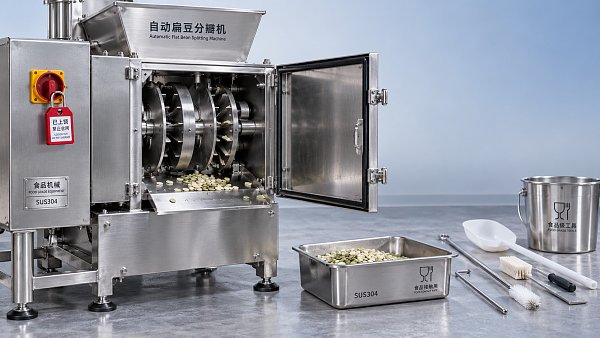
 How to clear jams safely in an automatic lentil splitting machineAutomatic lentil splitting machine jammed? Learn safe lockout steps, approved clearing methods, and restart checks to protect operators and reduce repeat blockages.Oct 13, 2026Marcus Trust
 How to keep AI-assisted learning content aligned with course goalsAI assisted learning content: learn how to align lessons, quizzes, and feedback with course goals using clear objectives, expert review, compliance guardrails, and learner data.Oct 12, 2026Professor Sarah Ed
 What documents should a bulk defoamers exporter provide?Bulk defoamers exporter documentation guide: discover essential SDS, CoA, TDS, customs, transport, and compliance files for safer global sourcing.Oct 11, 2026Marcus Trust
 How to evaluate PCI DSS compliance tools for continuous control monitoringPCI DSS compliance tools: learn how to evaluate continuous control monitoring, evidence quality, integrations, and remediation workflows for audit-ready security.Oct 10, 2026Lina Cloud
 When is an FRP fish tank a better choice than glass?FRP fish tank vs. glass: discover when fiberglass offers superior durability, custom shapes, outdoor resilience, and easier installation for your aquarium project.Oct 09, 2026Marcus Trust
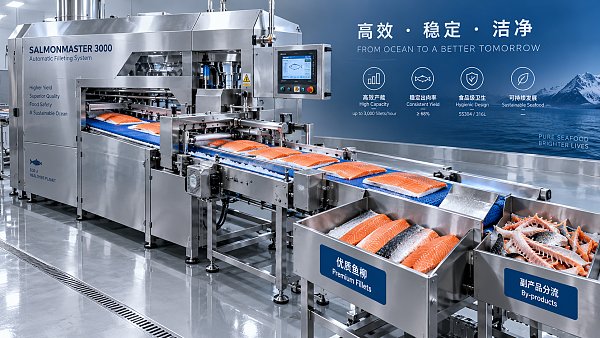
 What yield should a commercial salmon filleting machine deliver?Fish filleting machine commercial for salmon: learn how to evaluate realistic yield, saleable output, throughput, trim quality, labor needs, and supplier trial results.Oct 08, 2026Marcus Trust
 How to calculate enclosed belt conveyor capacity for bulk materialsEnclosed belt conveyor capacity explained: calculate bulk-material throughput with effective area, belt speed, density, fill limits, and practical design checks.Oct 07, 2026Lina Cloud
 How to verify an electronics recycling certification before hiring a recyclerElectronics recycling certification verification made simple: check validity, scope, accreditation, data security, and downstream controls before hiring a recycler.Oct 06, 2026Marcus Trust
 How to verify CE compliance for a rotary rack oven before purchaseRotary rack oven CE verification made simple: check model-specific declarations, markings, gas and electrical documentation before purchase to prevent costly compliance delays.Oct 05, 2026Marcus Trust
 How to prevent nutrient runoff from aquaculture waste managementAquaculture & Fishery waste management: prevent nutrient runoff with smarter feeding, solids capture, sludge control, treatment, and monitoring.Oct 04, 2026Marcus Trust
 How to verify safety documentation when buying organic solvents wholesaleOrganic solvents wholesale buyers: learn how to verify SDS, CoA, labels, batch traceability, and transport records before delivery. Reduce compliance risks and purchase with confidence.Oct 03, 2026Marcus Trust
 What hygiene standards should a stainless steel cattle slaughtering line meet?Stainless steel cattle slaughtering line hygiene standards: explore hygienic design, zoning, drainage, sanitation, and compliance essentials for safer beef processing.Oct 02, 2026Marcus Trust
 Digital classroom integration examples that improve lesson flowDigital classroom integration examples that improve lesson flow, connect teaching tools, streamline support, and create reliable, engaging learning experiences.Oct 01, 2026Professor Sarah Ed
 Which CE documents should accompany peanut shelling machines?Peanut shelling machines CE guide: learn which documents—Declaration of Conformity, manuals, technical files, and risk assessments—protect imports and compliance.Sep 30, 2026Marcus Trust
 How to verify whether organic Tribulus terrestris extract is certifiedVerify tribulus terrestris extract organic certification with confidence. Learn how to check certificate scope, botanical identity, certifier validity, lot traceability, and processing details.Sep 29, 2026Marcus Trust
 How to prevent uneven feed in a stainless liquid adding machineStainless liquid adding machine feed issues? Learn practical ways to prevent uneven dosing, reduce air leaks, stabilize flow, and improve production consistency.Sep 28, 2026Lina Cloud
 How to verify aquaculture utilities compliance before a site auditAquaculture utilities compliance: learn how to verify water, power, wastewater, alarms, and records before a site audit to reduce risk and prove control.Sep 27, 2026Marcus Trust
 How to size a tunnel oven for a biscuits factory’s target outputTunnel oven for biscuits factory sizing: learn how to match output targets, band loading, bake time, zones, and cooling capacity for reliable production.Sep 26, 2026Lina Cloud
 What purity specifications matter when sourcing bulk magnesium stearate in North America?Bulk magnesium stearate North America buyers: learn the purity specifications that protect quality, compliance, and production performance.Sep 25, 2026Marcus Trust