[FIN]CROSS-BORDERVOL: $4.2T
[SEC]CYBER ALERT: TIER2
[POL]IS0 GROWTH:+14%
[GEO] CLOUDINDEX: +2.4%
Structural Logic
Category Filters
PCI-DSS Compliance Failures Often Come From Third-Party Access
Lead Author
Published
Views:
Many PCI-DSS compliance failures do not begin with a breach inside the company’s own network. They often start with poorly governed third-party access across payment gateways, cloud platforms, managed service providers, remote support tools, and smart POS ecosystems. For organizations expanding digital payments, cross-border commerce, and connected terminal deployments, this is not a minor technical gap—it is a major audit, security, and business continuity risk.
The practical conclusion is straightforward: if your cardholder data environment depends on vendors, integrators, cloud operators, payment processors, POS maintainers, or external support teams, your PCI-DSS posture is only as strong as your control over those relationships. The issue is rarely whether third parties exist; it is whether their access is scoped, monitored, documented, and contractually governed well enough to stand up to a real assessment.
Why third-party access is one of the most common PCI-DSS weak points

Third-party access creates compliance failures because it sits at the intersection of security, operations, and accountability. Internally, teams may assume the vendor “handles security.” Vendors may assume the customer owns final control. Auditors, however, do not accept assumptions. They look for evidence.
In modern payment environments, third parties commonly touch:
- Payment gateway administration
- Cloud-hosted workloads connected to payment processes
- Smart POS, kiosk, and terminal remote maintenance
- Managed network and firewall support
- Software updates, patches, and integrations
- Logging, monitoring, and incident response functions
That creates several recurring failure patterns:
- Shared credentials or generic vendor accounts that make accountability impossible
- Always-on remote access instead of time-bound, approved access sessions
- Unsegmented environments where vendor access reaches beyond the cardholder data environment
- Missing logs for administrator activity performed by external parties
- Unclear responsibility matrices between merchant, service provider, and integrator
- Outdated inventories of who can access what, from where, and for what purpose
In short, third-party access becomes dangerous when it is operationally convenient but not formally controlled.
What decision-makers and operational teams are actually worried about
Different stakeholders approach PCI-DSS from different angles, but their concerns converge quickly when third-party access is involved.
- Security and compliance managers want to know where external access exists, whether it violates PCI-DSS requirements, and how to close audit gaps before an assessor finds them.
- Technical evaluators and operators need workable controls that do not break payment operations, field support, or terminal uptime.
- Procurement and business evaluators need a reliable method to compare vendors based on security maturity, not just price or deployment speed.
- Executives and financial approvers want to understand exposure in business terms: risk of fines, reputational loss, service disruption, remediation cost, and contract liability.
- Project managers need to prevent compliance surprises during rollout of cloud payment infrastructure, smart retail devices, or cross-border payment services.
What they care about most is not abstract PCI language. They want answers to practical questions:
- Which third parties can access payment-related systems today?
- Is that access necessary, limited, and traceable?
- Who is responsible if a vendor-controlled pathway causes a compliance failure?
- How can we reduce risk without slowing operations too much?
- How do we verify claims made by cloud, payment, and POS partners?
Where PCI-DSS failures typically show up in Payment Gateway, Cloud, and Smart POS environments
While every environment differs, several scenarios repeatedly appear in assessments and remediation projects.
1. Payment gateway and processor integrations
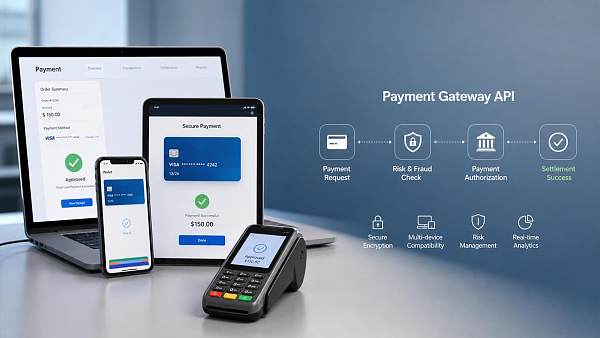
Organizations often assume that using a reputable payment gateway removes most compliance responsibility. In reality, gateway integrations still create risk if internal systems, admin portals, APIs, or support channels are not properly controlled.
Typical issues include overprivileged admin accounts, poor MFA enforcement, undocumented API connections, and insufficient monitoring of vendor-side changes that affect transaction handling.
2. Cloud-hosted payment applications
Cloud deployments can improve scalability and resilience, but they also complicate responsibility boundaries. If cloud operations teams, DevOps contractors, or MSPs can access systems connected to card data flows, then access governance must be explicit.
Common problems include unclear shared responsibility, weak segmentation, overexposed management interfaces, and poor alignment between PCI-DSS controls and broader frameworks such as ISO certification or GDPR compliance programs.
3. Smart POS and kiosk support models
Smart commercial terminals often rely on remote diagnostics, patching, software deployment, and third-party field support. This is especially common in multi-site retail, hospitality, transit, and financial service deployments.
Failures often arise when remote support tools are deployed faster than governance controls. For example, a terminal vendor may retain persistent access after commissioning, or resellers and subcontractors may inherit permissions that are never reviewed.
4. Multi-vendor retail and cross-border payment ecosystems
As businesses expand internationally, they frequently combine local acquirers, global payment service providers, cloud platforms, hardware vendors, and regional support teams. The result is a fragmented control landscape.
In these cases, PCI-DSS failure is less about one dramatic vulnerability and more about cumulative control drift across multiple external dependencies.
How to assess whether your third-party access model is putting PCI-DSS compliance at risk
A useful assessment does not start with hundreds of controls. It starts with visibility and ownership.
Organizations should first map all third parties with any direct or indirect connection to payment systems, cardholder data environments, supporting infrastructure, or terminal management workflows. That includes vendors many teams forget to count, such as field maintenance contractors, cloud administrators, SOC providers, and software update partners.
Then evaluate each relationship against the following questions:
- Business necessity: Does this party truly need access, or is access granted by default?
- Scope: Is access restricted to the minimum systems and functions required?
- Identity control: Are individual accounts used instead of shared credentials?
- Authentication: Is strong MFA consistently enforced?
- Time limitation: Is access enabled only when approved and needed?
- Monitoring: Are actions logged, reviewed, and attributable?
- Segmentation: Can the vendor move laterally beyond authorized zones?
- Contractual control: Do contracts define security obligations, notification duties, and audit support requirements?
- Evidence readiness: Can your team produce documentation that proves the above during an assessment?
If the answer is unclear for several vendors, the organization likely has a real PCI-DSS exposure even before a formal audit begins.
What strong control looks like in practice
For most enterprises, better PCI-DSS outcomes come from governance discipline more than from adding another security tool. Strong control usually includes the following elements:
- A current third-party access inventory linked to systems, business purpose, owner, and review date
- Role-based and least-privilege access design for vendors, integrators, and support providers
- Just-in-time or approval-based remote access rather than persistent connectivity
- Centralized logging and session traceability for external administrative activity
- Network segmentation separating payment environments from broader enterprise and vendor access paths
- Periodic access recertification involving security, operations, and business owners
- Vendor due diligence supported by PCI-DSS status, security attestations, incident history, and operational maturity
- Contract language that clearly defines control responsibilities, breach notification timing, and remediation expectations
This matters not only for passing an assessment. It reduces the chance of business interruption, uncontrolled changes, and expensive post-incident remediation.
How procurement and vendor selection directly affect PCI-DSS performance
Many compliance issues are created before implementation starts—during sourcing and contracting. If procurement teams evaluate vendors only on cost, deployment speed, features, or regional support coverage, they may unintentionally introduce long-term PCI-DSS risk.
Procurement and commercial teams should test vendors on questions such as:
- What exact remote access methods do you use for support and maintenance?
- Can remote access be customer-approved, session-based, and fully logged?
- Which subcontractors or regional partners may also gain access?
- How do you separate customer environments?
- What evidence can you provide regarding PCI-DSS alignment, ISO certification, or other relevant controls?
- How are software updates, terminal patches, and emergency changes governed?
- What is your incident notification timeline if your access channel is compromised?
This approach is especially important in global retail, fintech, smart terminal deployment, and educational payment environments where multiple providers interact with sensitive systems.
How to reduce audit failure risk without slowing the business down
One reason third-party access remains weak is that business teams fear security controls will disrupt operations. That concern is valid, but the answer is not to leave access unmanaged. The answer is to design controls around operational reality.
A balanced strategy often includes:
- Pre-approved access workflows for common support scenarios
- Emergency access procedures with automatic logging and retrospective review
- Standard vendor onboarding and offboarding checklists
- Terminal and cloud architecture templates that embed PCI-DSS controls from the start
- Routine access reviews tied to project milestones, renewals, or service changes
For project leaders and digital transformation teams, this is a key lesson: compliance works better when it is built into deployment models for payment gateways, cloud systems, and smart POS fleets—not added after go-live.
Final takeaway: PCI-DSS failures are often governance failures around external access
If your organization relies on third parties in any part of the payment lifecycle, PCI-DSS compliance cannot be treated as an internal-only exercise. The most damaging gaps often emerge where vendor access is convenient, longstanding, and insufficiently reviewed.
The clearest path forward is to identify every external access path, assign ownership, tighten permissions, improve evidence, and make vendor governance part of both security operations and procurement decisions. For enterprises balancing digital transformation, cross-border payments, GDPR compliance, ISO certification, and smart terminal expansion, this is one of the most practical ways to reduce risk while improving audit readiness.
In simple terms: third-party access is not a side issue in PCI-DSS. In many environments, it is the issue that determines whether compliance is credible or fragile.
Tags
Recommended for You
 Synthetic Fragrances Bulk: How to Balance MOQ, Stability, and Supply RiskSynthetic fragrances bulk sourcing is not just about price. Learn how to balance MOQ, stability, and supply risk to avoid delays, reduce waste, and choose a supplier that performs reliably at scale.Jun 18, 2026Lina Cloud
 Vacuum Packing Machine for Fish: Key Checks Before Comparing Price QuotesVacuum packing machine for fish buyers: check sealing, vacuum stability, hygiene design, durability, and support before comparing price quotes to avoid hidden costs.Jun 18, 2026Marcus Trust
 What Phytase Enzyme Feed Grade Does in Animal Nutrition and Cost ControlPhytase enzyme feed grade helps unlock bound phosphorus, reduce inorganic phosphate costs, and improve feed efficiency. Learn how it supports animal nutrition, compliance, and smarter cost control.Jun 18, 2026Marcus Trust
 Enclosed Belt Conveyor vs Open Conveyor: Which Reduces Dust and Product LossEnclosed belt conveyor vs open conveyor: discover which system better cuts dust, reduces product loss, improves compliance, and lowers cleanup costs for long-term ROI.Jun 18, 2026Marcus Trust
 How to Choose a Black Pepper Grinding Machine for Output and Grind ConsistencyBlack pepper grinding machine selection starts with output and grind consistency. Learn how to compare capacity, heat control, hygiene, and operating cost for better results.Jun 18, 2026Lina Cloud
 ISO/IEC 27001:2025 Transition Starts for Cyber Security ExportsISO/IEC 27001:2025 transition begins for Cyber Security exports, with mandatory certification updates by Dec 15, 2026. Learn how AI governance, cloud-native security, and supply chain risk may affect bids.Jun 18, 2026Lina Cloud
 Hebei Builds First Smart POS Export Logistics HubHebei Builds First Smart POS Export Logistics Hub, accelerating POS hardware and Industrial PDA exports with faster customs clearance. Discover what it means for JIT delivery, exporters, and buyers.Jun 18, 2026Digital Signage
 North America POS Localization Cuts Delivery to Under 8 WeeksNorth America POS localization is cutting Terminal Logic delivery to under 8 weeks. See how local warehousing, AI OTA updates, and built-in security can speed deployment and boost buyer confidence.Jun 18, 2026Dr. Hideo Tanaka
 Day-One Demand Targets Kiosks and Digital SignageSelf-Service Kiosks and Digital Signage drew strong day-one demand at the 2026 Cross-Border Trade Fair, with buyers prioritizing compliance, local-language UI, and installation support.Jun 18, 2026Dr. Hideo Tanaka
 Outbound Investment Rules Lift Compliance Bar for SaaS ExportsOutbound investment rules lift the compliance bar for SaaS exports, pushing payment gateways and cloud CRM teams to address data sovereignty, local storage, PCI-DSS, and ISO 27001 readiness.Jun 18, 2026Dr. Marcus Fin
 Is 4K or 8K Better for Lecture Capture Video Quality?Lecture capture video quality (4k/8k): discover why 4K is the smarter choice for most classrooms, when 8K adds value, and how to balance quality, cost, and scalability.Jun 17, 2026Professor Sarah Ed
 GMP Compliance Checklist: Key Gaps That Delay CertificationGMP Compliance gaps often hide in SOPs, training, validation, and traceability. Discover the key checklist items that delay certification and how to fix them before your next audit.Jun 17, 2026Marcus Trust
 Commercial Fish Netting: How to Choose Mesh Size and MaterialCommercial fish netting guide to choosing the right mesh size and material. Learn how to improve catch performance, meet compliance rules, and reduce long-term operating costs.Jun 17, 2026Marcus Trust
 Silage Bale Wrapper Machine Buying Guide: Cost, Output, and Film UseSilage bale wrapper machine buying guide covering cost, real output, and film use. Compare wrapper types, reduce forage loss, and choose a reliable machine with confidence.Jun 17, 2026Lina Cloud
 How Generative AI Is Changing Classroom Teaching and AssessmentImpact of generative AI on classrooms: discover how AI is reshaping teaching, assessment, infrastructure, and compliance—helping schools improve learning outcomes and make smarter EdTech decisions.Jun 17, 2026Professor Sarah Ed
 Cross-Border Fair to Host Kiosk and Signage Buyer SessionsCross-Border Fair to Host Kiosk and Signage Buyer Sessions in Fuzhou, connecting global buyers with compliant Chinese suppliers for self-service kiosks, digital signage, and ODM deals.Jun 17, 2026Dr. Hideo Tanaka
 Licensing Upgrade Strengthens Ocean Delivery for Terminal Logic and Industrial PDATerminal Logic and Industrial PDA shipments gain a potential edge as Yiwu’s new ocean licensing boosts route planning and delivery stability for Europe and Latin America ODM orders.Jun 17, 2026Dr. Hideo Tanaka
 BOJ at 1% Opens Repricing WindowBOJ at 1% opens a repricing window for Japanese buyers of Cyber Security and ISO/IEC auditing services. See how yen expectations may reshape Q3 procurement, contract timing, and compliance planning.Jun 17, 2026Marcus Trust
 US Import Prices Raise Pressure on Payment GatewaysPayment Gateways face rising cost pressure as U.S. import prices climb, impacting POS hardware, Cloud CRM deployments, and channel margins. See what importers should do now.Jun 17, 2026Dr. Marcus Fin
 Customs Document Vault Speeds POS Hardware ExportsCustoms Document Vault speeds POS Hardware exports with blockchain-based verification, helping cut clearance delays, reduce document disputes, and improve delivery reliability.Jun 17, 2026Dr. Marcus Fin
 Industrial Integrity Explained: Key Risks, Standards, and Control PrioritiesIndustrial Integrity explained: discover key risks, core standards, and control priorities that help improve safety, compliance, traceability, and operational trust.Jun 16, 2026Marcus Trust
 Business Intelligence Tool Factory vs Custom BI Development: What Matters MostBusiness intelligence tool factory or custom BI development? Compare speed, governance, integration, and cost to choose the right analytics model for scalable growth.Jun 16, 2026Lina Cloud
 Payment Gateway API Integration Services: Cost, Risk, and Delivery FactorsPayment Gateway API integration services explained: compare cost, compliance risk, device readiness, and delivery factors to choose a safer, scalable payment integration path.Jun 16, 2026Dr. Marcus Fin
 Agri & Forestry Pest Control: Common Field Failures and Practical FixesAgri & Forestry pest control often fails due to poor timing, weak coverage, and misidentification. Discover practical field fixes to improve results, reduce repeat spraying, and protect crop and forestry performance.Jun 16, 2026Lina Cloud
 How to Choose an Outdoor Digital Signage Factory for Long-Term ReliabilityOutdoor digital signage factory selection affects uptime, durability, and lifecycle cost. Learn how to compare manufacturing, weatherproofing, compliance, and support for long-term reliability.Jun 16, 2026Digital Signage
 Newland’s Overseas POS Orders Hit Capacity in Q1 2026Newland’s Overseas POS Orders Hit Capacity in Q1 2026 as Latin America deliveries stretch to Q4. See how compliance coverage, licensing, and deployment readiness now shape global POS execution.Jun 16, 2026Dr. Marcus Fin
 Blockchain Trade Vault Speeds POS Hardware ExportsBlockchain Trade Vault speeds POS hardware exports by enabling on-chain document storage, trusted buyer verification, and faster customs clearance. See how exporters can cut delays and improve compliance.Jun 16, 2026Dr. Marcus Fin
 Cross-Border Fair Debuts ODM Zone for POS and KiosksCross-Border Fair Debuts ODM Zone for POS and Kiosks, spotlighting compliance-ready customization for global buyers. Explore how EMV, PCI-PED, and export services can speed sourcing and delivery.Jun 16, 2026Dr. Marcus Fin
 Shanghai Pushes Global Asset Management With Blockchain BaseShanghai pushes global asset management with a blockchain base for cross-border RMB asset ownership, smart contract settlement, and ISO/IEC audit readiness—see what it means for funds, vendors, and compliance teams.Jun 16, 2026Dr. Marcus Fin
 China Rule Tightens Account Checks for Gateways and CRMChina tightens account checks for Payment Gateways and Cloud CRM from Sept. 2026. Learn how the new rules impact supplier compliance, onboarding, and channel partner risk.Jun 16, 2026Dr. Marcus Fin
 Canton Fair Phase III Ends With Terminal Logic in FocusCanton Fair Phase III highlights Terminal Logic as a new pricing and procurement benchmark for smart devices. See why POS, kiosks, and signage suppliers should act now.Jun 15, 2026Dr. Hideo Tanaka
 NRF APAC 2026 Ends With POS and Kiosk Compliance in FocusPOS and kiosk compliance takes center stage after NRF APAC 2026. Discover how PCI-DSS 4.0, GDPR, AI POS hardware, and multilingual self-service kiosks are reshaping retail procurement.Jun 15, 2026Dr. Marcus Fin
 China Opens Fast-Track Export Compliance for Smart TerminalsChina opens fast-track export compliance for smart terminals, cutting audit cycles to 5 days for POS hardware, kiosks, and digital signage. See how exporters can speed certification and delivery planning.Jun 15, 2026Marcus Trust
 US Starts AI Export Pre-Screening for ERP and Cloud CRMUS Starts AI Export Pre-Screening for ERP and Cloud CRM: learn how NIST AI RMF 2.0, compliance checks, and 8–12 week reviews could impact exports, procurement, and delivery plans.Jun 15, 2026Lina Cloud
 SG-Mark 2.0 Takes Effect for Industrial PDAs in SingaporeSG-Mark 2.0 takes effect for Industrial PDAs in Singapore, making IMDA cybersecurity certification essential for import, deployment, and network access. See who is affected and what to do now.Jun 15, 2026Digital Signage
 Aquaculture Production Trends in 2026: Costs, Output, and Risk SignalsAquaculture production in 2026 faces rising costs, uneven output, and earlier risk signals. Explore margin pressure, disease exposure, and smarter strategies shaping the market.Jun 15, 2026Marcus Trust
 Wholesale Saw Palmetto Extract: How to Check Quality Before OrderingWholesale saw palmetto extract buyers should verify identity, active profile, contaminants, batch consistency, and compliance records before ordering bulk.Jun 15, 2026Marcus Trust
 Barley Peeling Machine Buying Guide: Capacity, Waste, and MaintenanceBarley peeling machine buying guide covering real capacity, waste control, and maintenance costs. Learn how to compare suppliers, reduce grain loss, and choose a reliable machine.Jun 15, 2026Lina Cloud
 How to Evaluate Bulk PVC Foam Buoys for Marine UsePVC foam buoys bulk buying requires more than a low quote. Learn how to compare buoyancy, UV resistance, durability, and supplier reliability for safer marine performance.Jun 15, 2026Marcus Trust
 PCI DSS Compliance Tools: Key Features to Compare in 2026PCI DSS compliance tools compared for 2026: discover the key features, integrations, automation, and evidence workflows that help teams reduce risk and choose smarter.Jun 15, 2026Lina Cloud